

Trump chooses continued pressure on Iran over new strikes or a deal
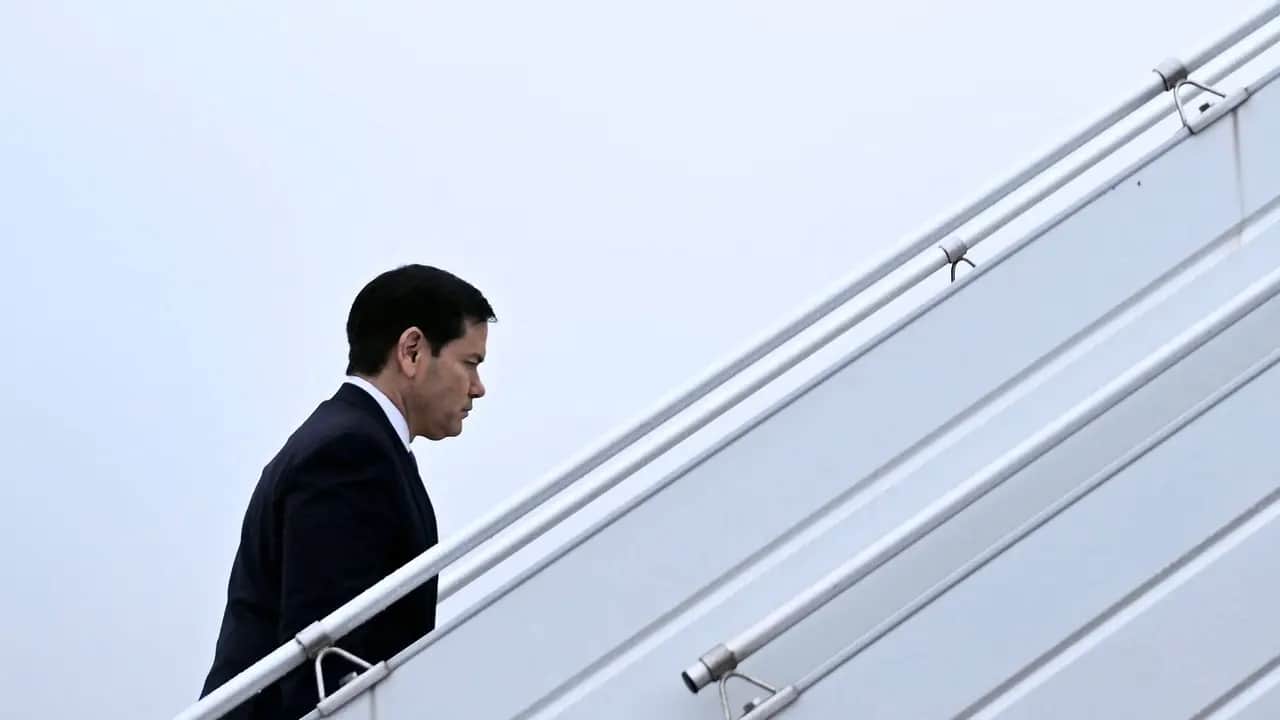
US President Donald Trump considered restarting the war with Iran or striking a deal, but decided to continue economic and military pressure without setting an end date. Mezha reported this, citing Axios, which said Secretary of State Marco Rubio told G7 foreign ministers in Paris.
At a closed-door meeting on Tuesday, Rubio said the president had more than two options. He described a third as maintaining the current course, rather than returning to hostilities or signing a deal that the secretary of state would consider unfavorable. Axios recounted the conversation based on accounts from three meeting participants, Mezha reported.
Reported by Mezha.
According to Rubio, US pressure is inflicting significant losses on Iran’s economy, making it harder for Tehran to finance armed groups and rebuild its armed forces. The secretary of state said this course would continue without a set end date, and that Iran was also harming its own economy, in his assessment.
Mezha reported, citing US officials, that Rubio himself, Treasury Secretary Scott Bessent, CIA Director John Ratcliffe, and presidential adviser and son-in-law Jared Kushner supported the strategy. This group opposed restarting the war and believed Iran’s position at the time did not allow for a deal on terms favorable to the US.
Rubio was skeptical about the prospects for a diplomatic breakthrough. After the G7 meeting, he told reporters that Iran wanted a deal but was making what he considered unacceptable demands and was not currently showing a serious willingness to reach an agreement. The secretary of state suggested the situation could change if economic pressure intensified.
Just a day earlier, Trump had met with Qatar’s prime minister, Mohammed bin Abdulrahman Al Thani. After the meeting, the president said another round of strikes on Iran was unlikely and did not seem necessary. Instead, he backed continued economic pressure and a naval blockade, and mentioned Operation Iron Gate, intended to cut off the land routes Iran uses to transport advanced weapons and other technologies.
The dispute over the way forward has deepened divisions within the US administration. US allies in the Middle East also differ in their positions: Israel favors resuming strikes, while most Gulf countries oppose them. A US official said Turkey, Iraq, and Pakistan are concerned that a demand to halt trade with Iran, including by suspending air flights and closing borders, could cause instability in their countries.
At the same time, Tehran has its own expectations about how the current standoff should end. Mezha reported that Iran’s Supreme Leader, Mojtaba Khamenei, ordered the government and the Islamic Revolutionary Guard Corps to end the “neither war nor deal” formula. The civilian leadership interpreted his order as permission to negotiate a deal.
Danny Citrinowicz, an Iran expert at the Atlantic Council, said that if the deadlock persists and economic pressure increases, the Islamic Revolutionary Guard Corps could resort to more aggressive attacks in the region. He warned that Tehran might try to raise the costs for the US and its partners to force Washington to change its policy. In the expert’s assessment, such an escalation could bring the sides back into military conflict.
Al Thani briefed G7 ministers on mediation efforts and his conversation with Trump. He said that after meeting with the US president, he saw more opportunities for diplomacy. The sticking point remains who will take the first step toward de-escalation and what confidence-building measures the sides can agree on.
Qatar’s prime minister would also like to involve China and European countries as guarantors of a possible agreement. He said this could ease Iran’s concerns that Trump might violate a deal and resume the war several months later. For now, however, the administration’s decision amounts to continuing pressure, rather than reaching an agreement or launching another round of strikes.
The war with Iran has become a political burden for Trump in his second presidential term and cost Republicans dearly in the midterm elections, Mezha reported. An official close to the president said Trump had been looking for a way out but was not sure which path would be best. Against this backdrop, the chosen course leaves both the prospect of negotiations and the risk of further escalation open.