

Stela experimentally boots macOS 27 on x86-64 PCs
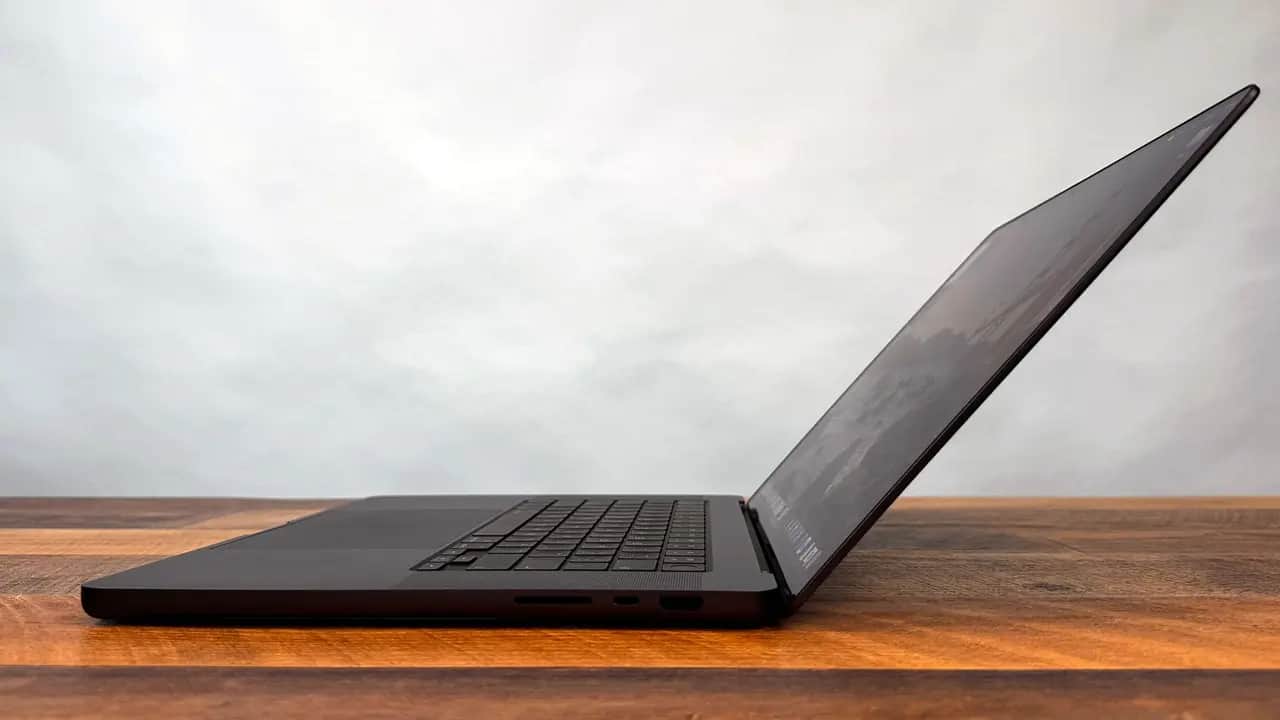
A new project, Stela, lets users try booting macOS 27 on an x86-64 PC. According to Tom’s Hardware, it is a Linux application for UEFI that makes the system emulate a Mac mini with an M2 chip, but the developer warns that it is still slow and unstable.
Stela was created by Tyler Smith. The project emerged after Apple switched to its own Arm processors and began moving away from Intel Macs, making it harder to run macOS on computers outside the Mac lineup. By the time Tom’s Hardware published its report, Stela had received three releases after its first version, 0.1—in less than half a day.
Reported by tomshardware.com.
According to the publication, running it requires the application, a USB drive to boot the PC, and a copy of macOS. The developer says Stela does not modify the system image, but provides the translation and hardware behavior that allow macOS to go through the same recovery process as on a real Mac.
Technically, Stela translates AArch instructions to x86-64. Processor code uses a combination of ahead-of-time and JIT compilation, while calls to the Metal graphics layer are translated into NIR instructions used by Mesa. This intermediate layer allows a system designed for Apple Silicon to run on different hardware.
The stated requirements include an x86-64-v2-class processor, at least 8 GB of RAM, UEFI, and a GPT partition or an entire disk. For graphics, an Nvidia GPU is required—from the 16xx series up to the 5000 series, which was current at the time of publication. As examples of processors in the required class, Tom’s Hardware cites a 2008 Intel Core and a 2011 AMD FX; AVX2 and AVX-512 are used if the processor supports them.
Peripheral support is still incomplete: Wi-Fi is not yet available, and Bluetooth capabilities are limited. However, the publication lists a wide range of compatible Ethernet controllers, including those from Intel, Realtek, Broadcom, Aquantia, and Atheros, as well as USB Ethernet adapters. Smith plans to support all hardware that the Linux kernel can work with eventually.
Interest in the experiment is already apparent: according to Tom’s Hardware, many users have joined the project’s Discord server, and some have posted photos of PCs on which macOS had nearly finished booting. This does not yet demonstrate that the system works reliably: the author describes Stela as slow and unstable, so for now it remains an early experiment rather than a ready-made replacement for a Mac.