

PCLOB report finds no evidence linking disinformation to domestic terrorism
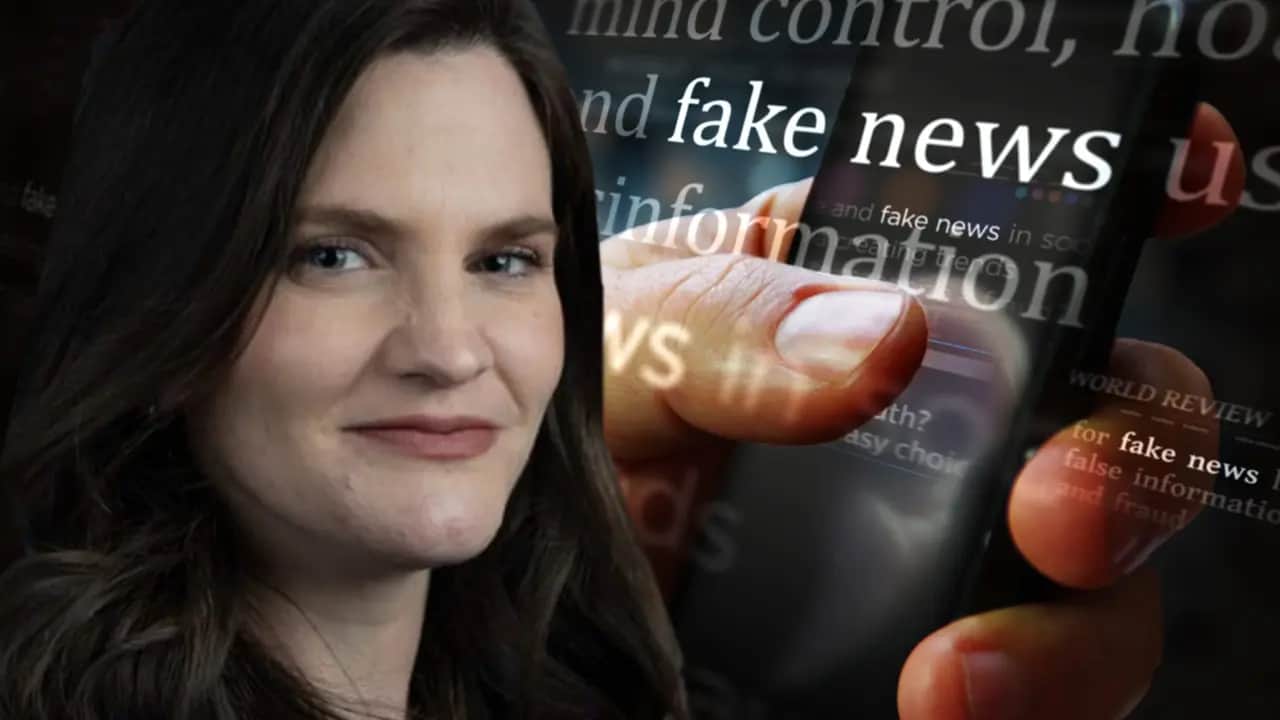
After a four-year investigation, the U.S. Privacy and Civil Liberties Oversight Board (PCLOB) found no evidence that disinformation caused domestic terrorism. At the same time, former officials urged social media platforms to label and limit content, and sometimes remove it or users’ accounts, Fox News reports in a column on the report’s findings.
In 2021, the White House released a national strategy asserting that a crisis of disinformation and misinformation spread through social media was deepening polarization and could lead to domestic terrorism. According to Fox News, White House staff wrote to platforms, implying that refusing to remove or restrict certain speech could lead to violence. In 2022, the Department of Homeland Security created a Disinformation Governance Board, which did not last long.
Reported by foxnews.com.
A PCLOB staff report analyzes efforts to link disinformation to domestic terrorism and policies intended to prevent the suppression of speech. According to Fox News’ account, after a four-year investigation, the board found no evidence supporting such a link. Despite this, former officials encouraged platforms to label questionable material as false, reduce its visibility, and in some cases remove posts or accounts.
A Fox News column describes four lessons from this campaign. The first is that suppressing speech is a last resort in responding to information the government considers false. The author contrasts this with public rebuttal: the government can openly state its own position, while encouraging private companies to remove or restrict inconvenient speech raises serious civil liberties concerns.
The author also cites released documents that, in his words, confirm officials’ efforts to encourage platforms to restrict broad categories of speech. He notes that these efforts did not distinguish between foreign and domestic speakers and did not consider whether the speech was legally protected. Much of the interaction took place out of public view, through direct contacts between officials and companies; its scale became known through lawsuits that led to the disclosure of correspondence.
The column’s second lesson is that the absence of direct coercion does not, by itself, protect civil liberties. As Fox News recounts, after lawsuits were filed, government lawyers developed guidance intended to ensure that future communications were lawful and primarily warning against coercion. However, in the author’s view, the executive branch’s overall approach continued to assume that officials could persuade platforms to monitor or restrict certain speech if their requests were presented as suggestions. The author observes that even without formal coercion, this practice remains problematic.
The author specifically criticizes providing platforms with secret lists of speech the government considers false, together with lists of accounts that share it. In his view, the government should not take control of citizens’ speech. This is the columnist’s assessment, not a separate finding attributed to PCLOB in the material presented.
The third lesson concerns the shift from combating foreign malign influence to broader efforts to counter domestic terrorism: according to the author, practices for working with platforms developed for the first approach were easily extended to the second. The column recalls a recommendation by the 9/11 Commission: the executive branch must justify the need for government powers, and their use must be subject to appropriate oversight and have clear limits. The author also notes that in the case described, it was unclear whether disinformation caused domestic terrorism on a significant scale and whether restricting such speech would have helped national security.
The fourth lesson, according to the column, is the need for clearer safeguards in the future. In January 2025, President Donald Trump issued an executive order ending the practice described, but the author writes that bans on efforts to restrict Americans’ lawful speech are not clearly set out in current agency rules or in law. Therefore, in his assessment, a future administration could change course and resume similar measures. The column concludes with a call for the government to continually demonstrate that it deserves the public’s trust.