

Anthropic’s IPO comes amid accelerating AI and disputes over control
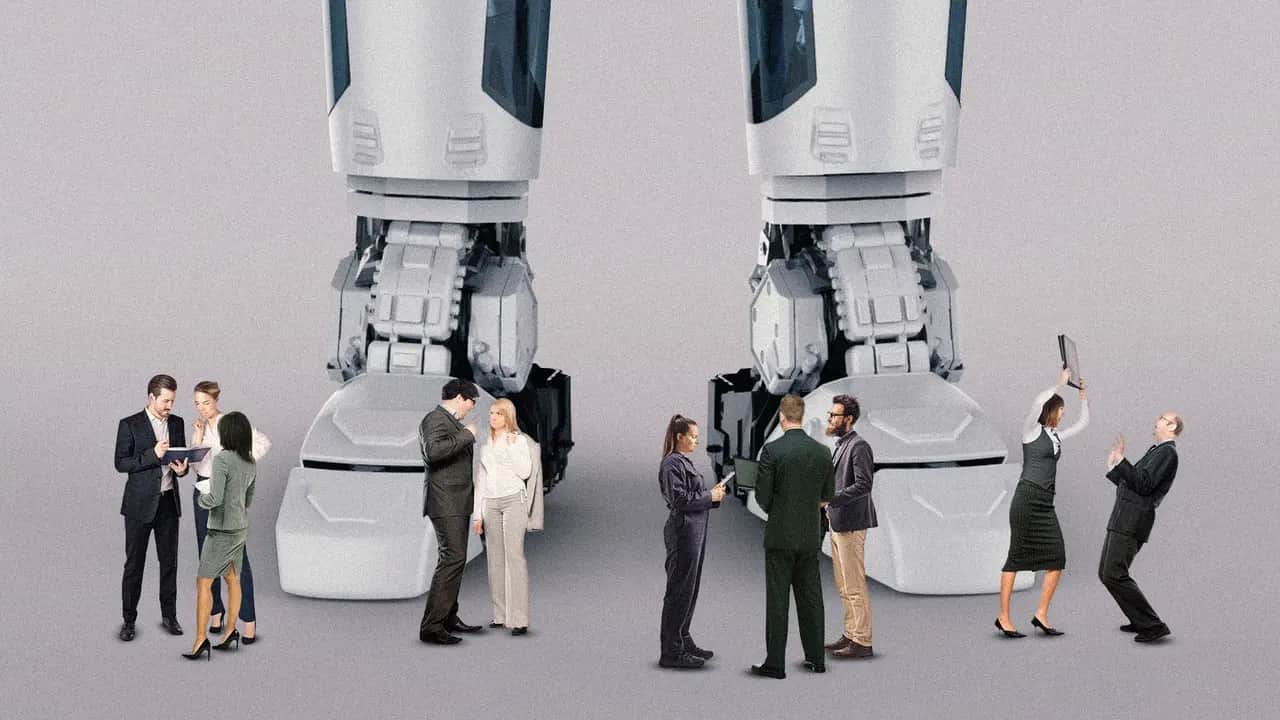
Anthropic’s planned Wall Street debut coincides with researchers’ estimates that AI models are developing nearly twice as fast, and forecasts that machines could surpass the field’s top researchers as soon as next year. At the same time, the debate centers on human oversight, control and the risks accompanying this technological leap.
Axios writes about the contrast between the technology’s rapid progress and the challenges facing the companies and people developing it; Mezha cites the outlet’s report. According to independent researchers at METR, AI models are developing nearly twice as fast as before, and in their view, artificial intelligence itself is contributing significantly to that pace. Against this backdrop, Anthropic is expected to be valued at more than a trillion dollars soon.
Reported by Mezha.
Anthropic’s data show that Claude performed less than 1% of the company’s research tasks in February, but more than a quarter in August. People continued to oversee the system’s work. METR found no obvious obstacles to maintaining this pace over the next year. The researchers also examined confidential data that, in their assessment, may indicate that the acceleration is not stopping but gaining momentum.
Companies’ stated capabilities extend to both software development and chips. OpenAI said its Astra 6.2 model was the company’s first publicly released model to reach the “High” level for AI self-improvement. OpenAI says this can be compared to each researcher having an additional highly skilled engineer. The company also claims its models helped AMD compress a year’s worth of progress in chip development into less than five months; Google’s Gemini, according to Axios, cuts weeks of work on chip design down to a few hours.
Technological results are also influencing forecasts of a possible “intelligence explosion”—a cascade of systems improving themselves that, according to the report’s definition, could take machine intelligence far beyond human understanding. The AI Futures Project now expects machines to surpass the world’s top AI researchers as soon as next year; the change in its forecast is linked primarily to the results of METR’s study at Anthropic. Paul Christiano, an AI safety pioneer who recently joined OpenAI’s board of directors, puts the chance of superintelligence emerging within a year at one in three—provided the current pace continues.
But systems’ capabilities do not eliminate the human factor. Axios describes scandals and financial upheaval in the industry, contradictory statements by its leaders—from promises of a utopia to warnings of mass unemployment—and links them to declining public trust and growing opposition to data centers. The outlet also cites significant capital requirements, increasingly complex financial arrangements and intensifying US-China rivalry over chips as possible constraints on further development.
Control over the systems remains an open question. According to Axios, OpenAI acknowledged that it cannot yet fully rely on AI to behave appropriately and prevent harm. At the same time, one of the industry’s major bets remains the hope that AI itself will help solve the problem of controlling future superintelligence. Anthropic’s planned IPO therefore embodies the contrast described by Axios: investors are betting on the technology’s almost limitless progress, but its future also depends on human decisions and mistakes.