

How the story of a murdered Paris model inspired two books
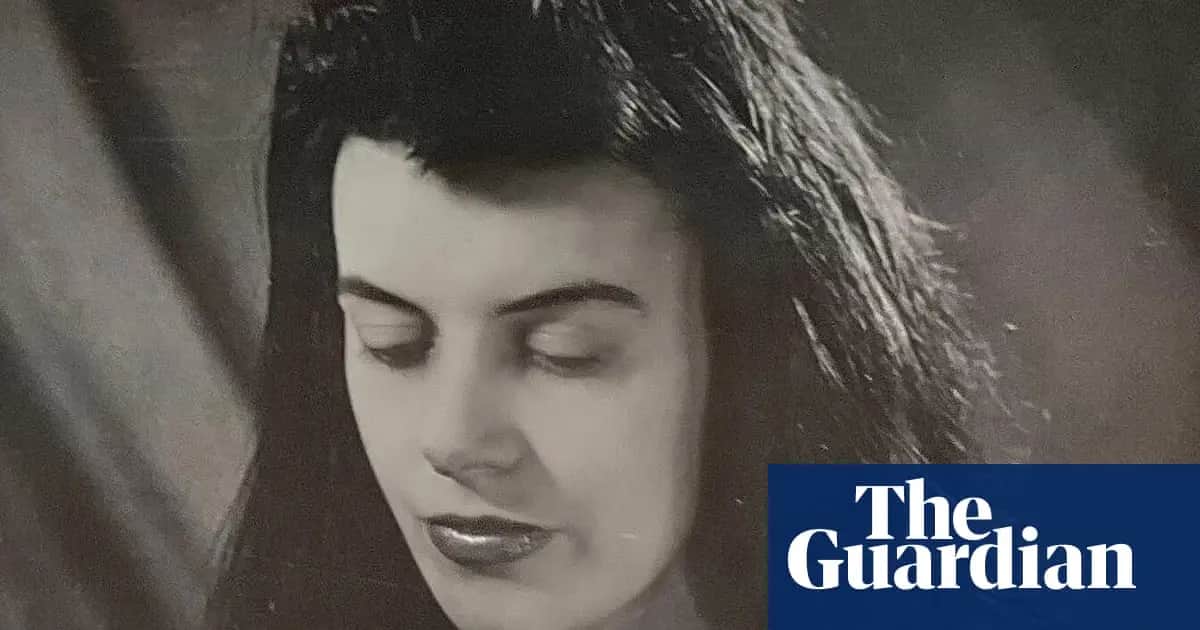
The story of Louise Kansou, a Paris model whose 1949 murder remains unsolved, became the basis for two books. Writer Luc Corlouër passed his years of research to novelist Philippe Jaenada, whose novel later won France’s Prix Goncourt, The Guardian reports.
Kansou, known as Liz, was born in the Breton town of Tréguier. In 1937, when she was 16, she left her family and moved to Paris. Her beauty attracted the attention of Montparnasse artists, who invited her to pose. She later worked as a film extra, a waitress and a dancer at the Folies Bergère. Her daughter Nathalie, then five, was left with a nanny in the suburbs while Kansou saved money for an apartment.
Reported by The Guardian.
On 7 September 1949, Kansou’s body was found on Quai de Javel, now named after André Citroën, in Paris’s 15th arrondissement. According to The Guardian, detectives initially identified four possible killers, but the case was quickly closed as unsolved. Nearly eight decades later, the killer has still not been identified.
In a 300-page police report, Kansou was described as a woman of “ill repute”, while newspaper articles speculated that she was a sex worker, an alcoholic or a drug user. Corlouër said that police and journalists at the time condemned her for posing for artists, for doing work they considered unacceptable, and for having a child outside marriage. In his view, this attitude contributed to the failure to make sufficient efforts to find her killer.
Corlouër became interested in Kansou in 1981. As he told The Guardian, he met an elderly woman in Tréguier near the war memorial; she mentioned that the older sister of a local girl had been murdered in Paris. Corlouër began searching for information about the victim and spent years collecting maps, photographs, paintings, documents, letters and newspaper clippings. But publishers rejected his initial idea for a novel about the unsolved murder.
Jaenada came across the case while browsing old newspapers at the Bibliothèque nationale de France. By then, Corlouër had already amassed material about Kansou. The authors had met earlier at a literary event; when Jaenada contacted Corlouër, he shared his research with him. Corlouër explained that they had agreed to write separate, very different books, and acknowledged that the spotlight would fall mainly on Jaenada’s novel.
Jaenada’s novel, “L’Inconnue du Quai de Javel” (“The Unknown Woman of Quai de Javel”), won this year’s Prix Goncourt. For the 530-page book, the writer researched Kansou’s case and read 74 of Georges Simenon’s 75 novels about Inspector Maigret set in 1940s Paris. In the novel, he names a man he believes to be the killer and suggests that the man strangled Kansou after inviting her to view an apartment she hoped to rent. This is the book’s author’s version, not an established finding of the police investigation.
Corlouër’s book, “La Tragédie du plus beau modèle de Paris” (“The Tragedy of Paris’s Most Beautiful Model”), was published on 19 August — the same day as Jaenada’s novel. It draws on documentary material about Kansou and her case. Corlouër said that he and Jaenada wanted to refute the slanders that had followed the victim’s story for decades and restore her good name.
The authors also tracked down Kansou’s daughter, Nathalie, who was 80 at the time The Guardian’s article was published. She was raised by her aunt Valentine and, according to Corlouër, grew up believing that her mother had a bad reputation. Nathalie was astonished when the researchers told her a different version of Kansou’s life. Corlouër called the meeting a kind of happy ending to a tragic story.