

US Commission Warns of Growing Dependence on Chinese Drug Development
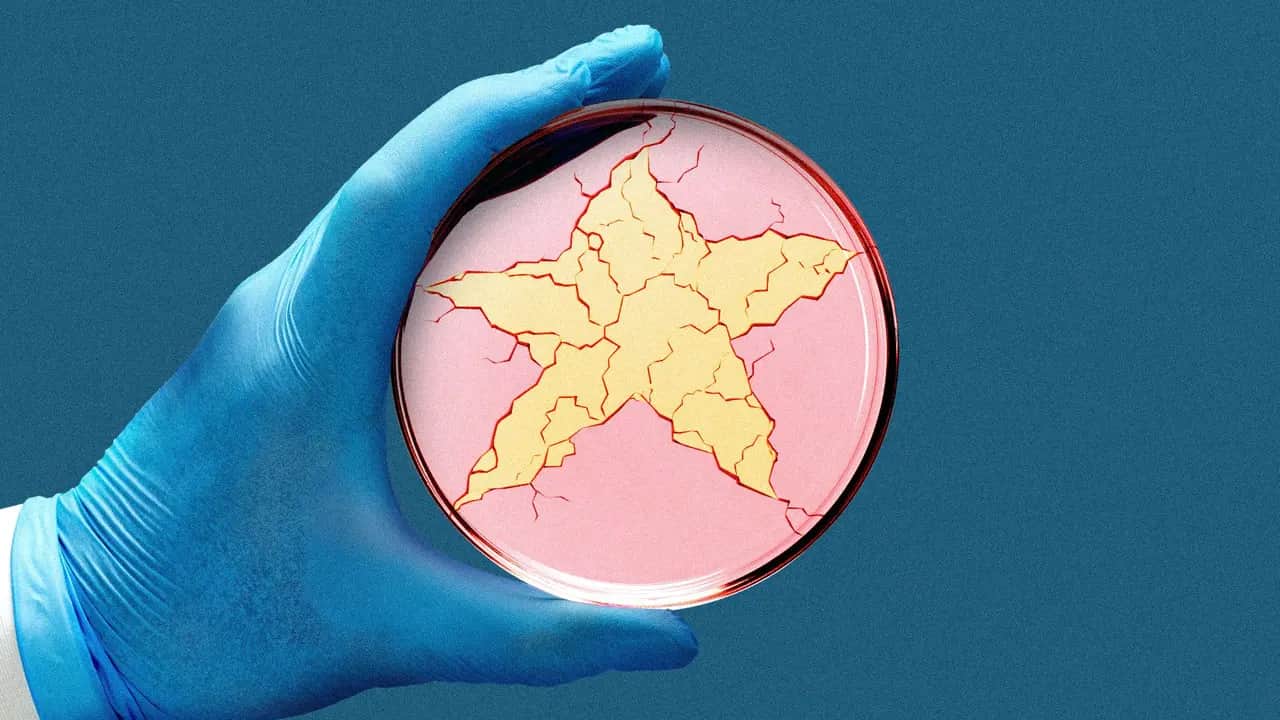
The U.S. National Security Commission on Emerging Biotechnology warned that China’s growing role in the drug supply chain could threaten U.S. access to future life-saving treatments. According to Mezha, citing Axios, the commission reached these conclusions after analyzing 57 deals between Western drugmakers and Chinese companies.
The deals were made from the start of 2023 through the month before publication. The commission says Western manufacturers are increasingly licensing developments from Chinese biotech companies, directing capital there that could otherwise go toward domestic innovation in the United States. The companies named in the article as interested in these developments include AstraZeneca, Bristol Myers Squibb and Pfizer.
Reported by Mezha.
Western companies’ interest is linked, among other things, to China’s growing investment in the life sciences and the prospect of faster clinical trials and drug approvals. Chinese biotech companies typically license their own developments to international drugmakers. For Western companies, this is a way to outsource some of the drug discovery process and assess early results.
At the same time, the commission points to the early stage at which deals are being made. It says they are increasingly based on preclinical data, with upfront payments made at early stages of research and development. Chinese partners receive not only funding but also know-how in creating and commercializing treatments.
The commission believes the funds and knowledge gained could further strengthen China’s industry. In its view, royalties and stakes in joint ventures could fund research and infrastructure and help attract experts from around the world. The commission calls this process a “flywheel effect.” It also draws a parallel with the automotive industry, semiconductors and industrial chemicals, where, it says, the transfer of knowledge gave Chinese manufacturers a competitive advantage.
The commission, established by Congress to study the intersection of emerging biotechnology and national security, says China’s strategic goal is to increase U.S. dependence on Chinese innovation and develop its own pharmaceutical industry. Commission Executive Director Caitlin Fraser, according to Mezha, linked Beijing’s pursuit of biotechnology leadership to economic and geopolitical advantage.
The commission is also concerned about possible control over supplies of key products and ingredients: in its assessment, China could scale up production and monopolize the market. Marta Wosinska, a senior fellow at the Brookings Institution, noted that drug shortages could delay treatment for seizures, infections or severe pain. In an earlier report to Congress, the commission also considered a hypothetical scenario in which, during a conflict over Taiwan, Beijing would not provide American patients with a breakthrough treatment.
In response to the risks, the Trump administration proposed last month a new review of certain deals with Chinese life sciences companies or their complete prohibition. Reasons cited included the possible use of investments to create biological weapons or brain-computer interfaces for surveillance, as well as excessive dependence of American supply chains on one country. According to an analysis by law firm Sidley, the proposal would allow cash deals involving royalties and milestone payments but prohibit equity investments in Chinese companies; some joint ventures could also be subject to restrictions.
The U.S. pharmaceutical and biotechnology industries are urging the government to simplify and modernize drug development, expand patients’ access to clinical trials and strengthen patent protections. Concerns about access to drug development have also intensified following the Chinese government’s proposal to impose new restrictions on the export of certain technologies, including cell and gene therapy platforms.
The commission’s analysis was released ahead of a meeting between Donald Trump and Xi Jinping scheduled for that week. According to Mezha, the talks could involve agreements on strategic technologies, including biotechnology, or tighter export controls.