

Fox News: Rural voters turned away from Republicans over the cost of living
In the 2026 midterm elections, rural U.S. counties shifted toward Democrats by more than 15 percentage points, while Republicans lost ground in several of their traditional stronghold states. A Fox News column links the shift to the cost of living and the difficulties facing farming and forestry communities.
According to a national poll cited in the article and conducted ahead of the elections, about 75% of rural voters rated the cost of living in their area as fair or poor. Nearly half of those surveyed were worried about whether they could pay their rent or mortgage. The columnist notes that Republicans have not completely lost the support of rural America, but the election results were a serious warning for them.
Reported by foxnews.com.
Farmers feel the financial pressure most acutely. Agricultural production expenses in 2026 were projected to reach nearly 493 billion dollars—4.5% more than a year earlier—while net farm income, adjusted for inflation, was expected to fall by 5.5%. The number of family farm bankruptcies rose by 46% in 2025.
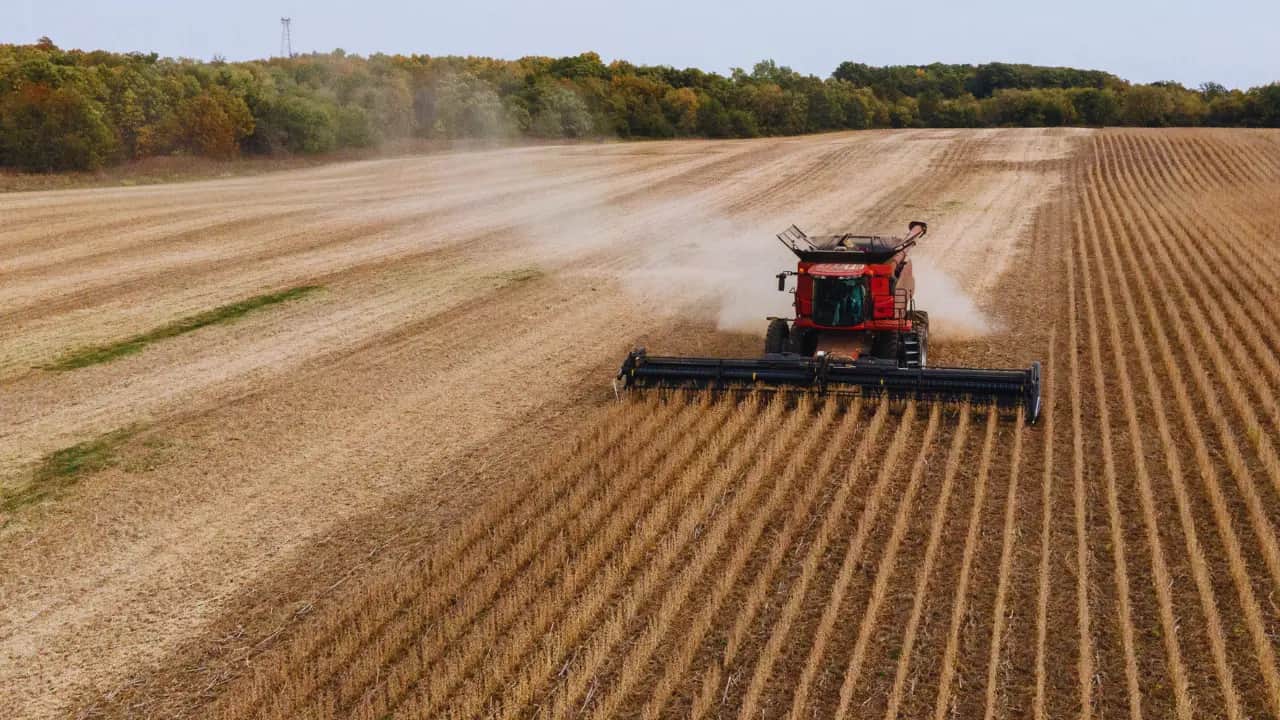
The column illustrates rising equipment costs with the example of John Deere’s flagship combine harvester: its price rose from about 454 thousand dollars in 2012 to more than 1.1 million dollars. In those years, a bushel of wheat cost 7.77 dollars, while its price was projected to be 6.91 dollars now. The author also notes that government payments to farmers were expected to reach 47.4 billion dollars in 2026, but argues that aid does not make equipment cheaper or open new markets.
The livestock industry is also facing difficulties. In the author’s estimate, livestock prices have reached a record high, but ranch production costs have risen by nearly 30% since 2020. He also writes that four companies buy about 85% of steers and heifers, while federal requirements make it harder to open independent meat-processing businesses. As a result, ranches have fewer potential buyers and less bargaining power.
The author also links the financial pressure to tariffs: he says they have raised the prices of imported equipment, steel and agricultural inputs, while U.S. exports have faced the threat of retaliatory measures. Farmers, he argues, have to compete in the global market while paying more for the goods they need to produce.
The column also cites the forestry industry: timber production in U.S. national forests fell from 12.6 billion board feet in 1988 to 2.7 billion in 2024—a decline of 79%. The author blames federal rules, bureaucratic obstacles and lawsuits, which he says led to sawmill closures and job losses in communities dependent on logging. The Trump administration has proposed repealing the Roadless Rule, adopted in 2001, but, the author notes, the process is not yet complete.
Among other problems, the column cites energy costs: coal production in 2026 was projected to be 2% lower, and the average price of diesel fuel was projected to be 5.25 dollars per gallon. The author writes that even with U.S. oil production at a record high, expensive fuel raises costs for farmers and truck drivers. In his view, the Republicans’ promise to achieve energy dominance has not yet removed obstacles for rural industries.
According to data cited by Fox News, voters who described their financial situation as strained supported Donald Trump by a margin of about 30 percentage points in 2024. In 2026, the same group, according to the data, favored Democrats by about the same margin. The author interprets this as dissatisfaction with the cost of living, disappearing opportunities and a political system that, in his view, manages communities’ problems but does not solve them.
The author acknowledges that Republicans have made progress on tax reform and proposed regulatory changes, but stresses that preventing tax increases does not, by itself, make diesel or fertilizer cheaper, and proposing a reform does not mean it will be implemented. He urges the party to advance the Bipartisan American Affordability and Jobs Act, reform rules on species protection, permitting, litigation costs and meat inspection, and bring the proposals to a vote. This is the columnist’s position: he believes voters expect practical changes, not new subsidies and promises.