

Brownback Calls for Revoking China’s Preferential Trade Status in the US
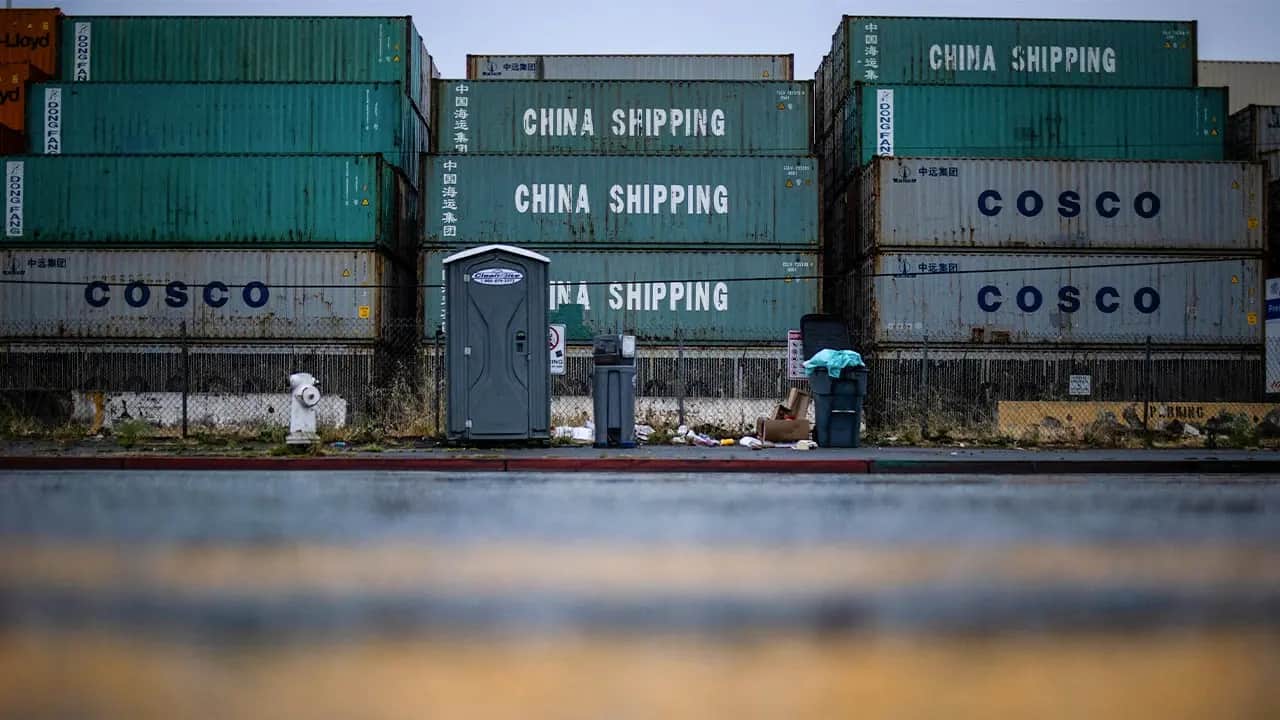
Former US Senator Sam Brownback said in an op-ed for Fox News that voting to grant China permanent normal trade relations was the worst decision of his 14 years in the Senate. He is calling for the status to be revoked and for Beijing’s access to Western markets to be tied to respect for human rights.
Brownback recalled that China joined the World Trade Organization in December 2001. A year earlier, the US had granted the country permanent normal trade relations status, giving it access to the US economy on terms usually reserved for America’s friends and allies. Brownback was among the 83 senators who voted for the measure.
Reported by foxnews.com.
According to the author, supporters of the decision at the time expected China’s participation in the global economy to foster openness and freedom, and believed contact with the West would bring the country closer to those values. Brownback now calls that hope a tragic miscalculation. He writes that China has grown into a powerful economic and military power and calls for revoking its trade status.
To support his position, Brownback accuses the Chinese authorities of persecution and human rights abuses, including against Uyghurs, Tibetans and Falun Gong practitioners. These are the author’s claims and assessments in his op-ed, which he uses to explain the need to change US policy toward China.
As an alternative, Brownback proposes making China’s access to US and Western markets conditional on respect for basic human rights. He calls the idea “Helsinki 2.0” and suggests starting by demanding religious freedom for all Chinese citizens. The author names Christians, Falun Gong practitioners, Tibetans and Uyghurs, who, he says, would be able to freely practice their faith and seek freedom if the policy changed.
If China refuses to meet this condition, Brownback writes, that would provide an additional argument for Western economies to decouple from China’s. At the same time, he believes that tying market access to respect for human rights could invigorate debate about reforms within China and help bring greater freedom to its citizens. This is the author’s forecast, not a description of a policy already in place.
Brownback also compares current trade with China to the US approach to the Soviet Union. According to him, the USSR was not granted preferential trade status, and limited access to US markets deprived it of resources to finance its war machine. The author proposes applying similar logic again; this is his historical interpretation and argument for restricting trade with China.
Brownback concludes his op-ed by saying that democracies can acknowledge and correct their mistakes. He calls for revisiting the decision he and other senators supported a quarter-century ago and tying China’s access to Western markets to compliance with human rights requirements.