

Rochester researchers turned an Ender 3 into a $450 bioprinter
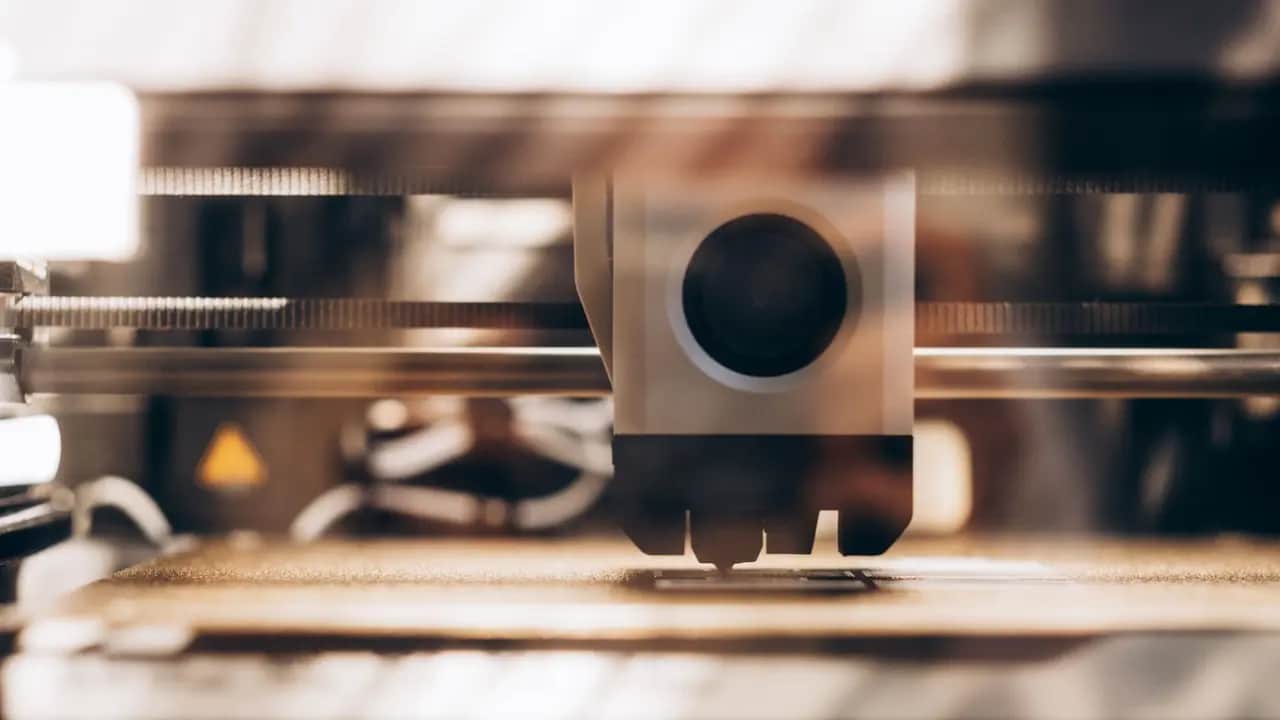
Microbiologists at the University of Rochester modified an Ender 3 printer to print engineered living materials — structures containing living microorganisms. According to Tom’s Hardware, the setup cost about $450, while conventional bioprinters can cost more than $100 thousand.
The team kept most of the Ender 3’s design but replaced the print head with a syringe pump. It was mounted using specially printed PETG parts; the system is designed for a 10-milliliter glass syringe with a Luer lock and controls the dispensing and retraction of material.
Reported by tomshardware.com.
Preparing a print resembles the usual process: a model is created in SolidWorks, saved as an STL file, and sliced in Slic3r. The settings were adapted for a needle with a diameter of 0.254 millimeters. In the described mode, the printing speed was 23 millimeters per second, and the flow rate was 2 milliliters per hour.
Instead of filament, the researchers used bioink made from a mixture of bacteria and alginate. They printed it into supporting agarose or gelatin gels. Agarose is suitable for long-term incubation, while gelatin is for samples intended to be removed; calcium ions in the mixtures cross-link the alginate and help hold the bacteria in the formed structure.
According to Tom’s Hardware, materials printed in agarose remained viable for four weeks or longer. The publication links the development to research whose results biologist Anne S. Meyer and co-authors published in August in the journal ACS Applied Polymer Materials. In the publication’s account, the authors cite high equipment costs and difficulties maintaining the materials’ shape as barriers to the field’s development.
The research focused on the ability of bacteria to create useful materials. Potential applications listed in the article include biofilms for antimicrobial uses, plastic degradation and wastewater treatment, as well as bacterial cellulose for biodegradable materials.