

New York Issues More Than $500 Million in Bills Under Luxury Second-Home Tax
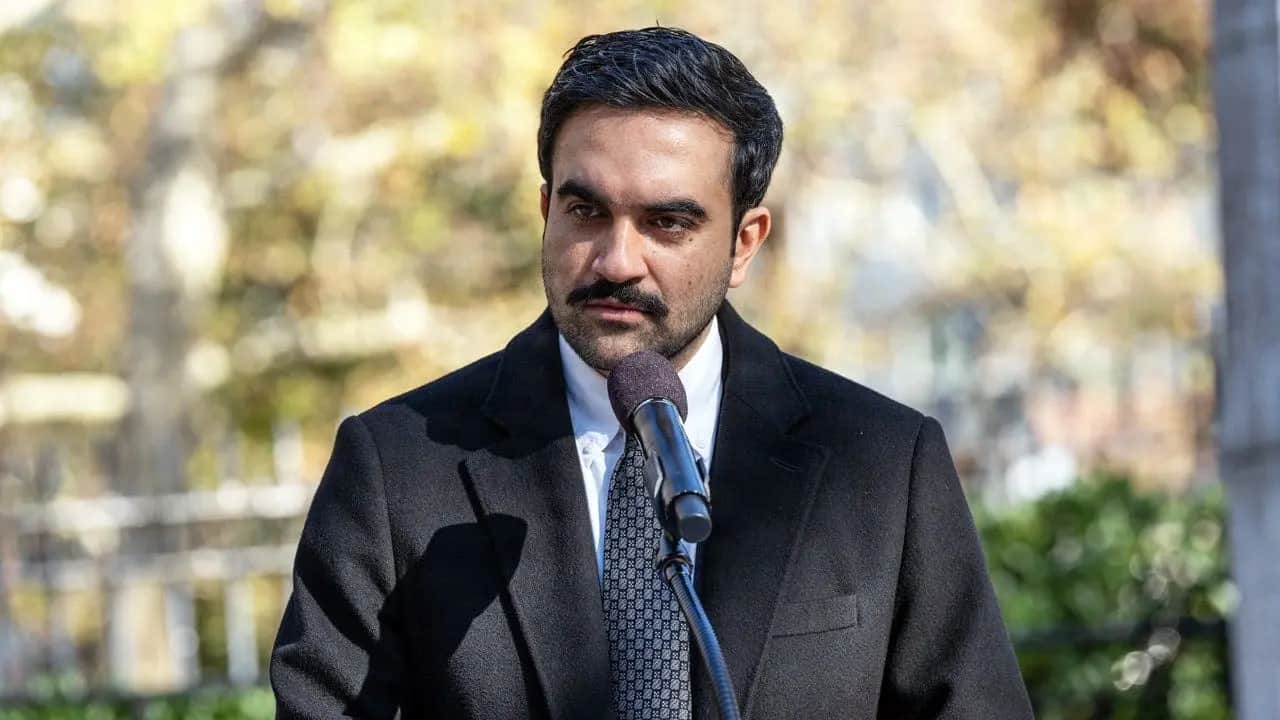
New York Mayor Zohran Mamdani said the city has assessed more than $500 million in taxes on owners of luxury second homes. According to city officials, bills were sent to approximately 7 500 owners — far fewer than the number of initial notices.
Mamdani announced the amount on Tuesday on the social media platform X. He said more than $500 million was assessed on owners of second homes valued at more than $5 million. The mayor described the money as a resource for investing in the city. However, a tax assessment does not mean that the same amount has already been received by the city budget: the announcement refers specifically to bills issued.
Reported by foxnews.com.
The city’s Department of Finance sent about 7 500 bills. This is substantially fewer than the approximately 17 000 initial notices that property owners received in the summer. City officials also reported about 8 900 approved applications for an exemption from the surcharge and approximately 1 600 rejected applications for an extension. Owners who qualify for an exemption do not pay the tax.
Despite the smaller number of bills, the amount announced exceeded the $500 million target that Governor Kathy Hochul had cited earlier this year. At the same time, city officials did not immediately provide a breakdown showing how the total was distributed among approximately 7 500 properties. The surcharge is calculated on a scale based on property value, so owners of more expensive homes may receive larger bills.
The tax, also known as the pied-à-terre surcharge, is part of Mamdani’s plan to raise taxes on wealthy residents and reduce the city’s budget deficit. State lawmakers approved it in May. It applies to eligible luxury second homes in New York City, including certain one- to three-family homes valued at $5 million or more, as well as condominiums and co-op apartments valued at $1 million or more.
Earlier estimates of expected revenue were lower. An April report by the New York City Comptroller said this version of the tax could bring in about $500 million from more than 11 200 properties before exemptions and possible changes in owners’ behavior were taken into account. After those factors were accounted for, projected revenue fell to approximately $340–380 million. Last week, Mamdani told reporters that the administration remained confident the surcharge could generate $500 million annually.
The announcement of the assessments came after a court ruling in the city’s favor. Earlier this month, a state appeals court unanimously rejected a lawsuit challenging the tax’s implementation, ruling that the plaintiffs lacked standing to bring it. The court overturned a lower-court ruling that had required the city to restart the surcharge’s implementation. However, separate legal challenges are ongoing, including one over the tax’s constitutionality.