

Home Assistant introduces Aux-2, a device for sensors, audio and controlling equipment
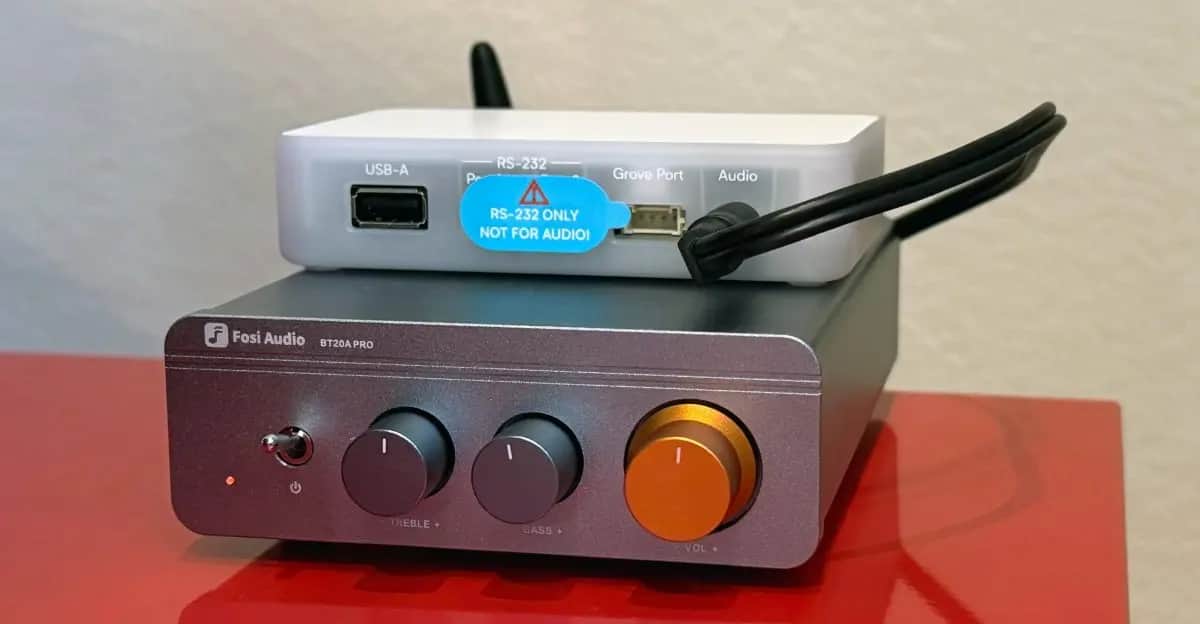
Nabu Casa has released Home Assistant Connect Aux-2, a compact device that combines a Bluetooth proxy, network and audio connections, and ports for controlling compatible equipment. According to The Verge’s review, the author managed to set it up for sensors in a refrigerator and to play music through in-wall speakers.
As The Verge reports, Aux-2 costs 69 dollars and is roughly the size of a deck of cards. It has 2.4 GHz Wi-Fi, Bluetooth, Ethernet, USB-A and USB-C, digital and analog audio jacks, a Grove port for peripherals such as sensors, buttons and LEDs, and two RS-232 serial ports.
Reported by theverge.com.
The device can pass Bluetooth devices through to the Home Assistant system. A Nabu Casa Z-Wave or Zigbee antenna can be connected via USB if the home hub is in an inconvenient location. The serial ports are intended for controlling equipment, including TVs, AV receivers and solar inverters. An amplifier or powered speakers can be connected through the audio jack, allowing older audio equipment to be used for music playback.
Aux-2 is built on ESPHome, an open platform for creating smart home devices based on ESP boards. According to the publication, its features use existing Home Assistant and ESPHome integrations. The integration for control over a serial port was developed earlier that year, while Music Assistant and SendSpin were still under active development at the time of publication.
The Verge author tested setting up the device on their own Home Assistant system. They connected Aux-2 to a computer via USB-C, downloaded and installed the latest firmware in a browser, and entered the Wi-Fi credentials. They then moved the device to a media cabinet, connected the power and finished setting it up in Home Assistant. Aux-2 can be powered via USB-C or Power over Ethernet.
To monitor the refrigerator, the author enabled the Bluetooth proxy, added the Govee integration and put batteries in the sensors: they appeared in the system automatically. In their test, the sensors maintained a connection through three walls and the refrigerator. This helped restore temperature monitoring. The author had previously used Aqara sensors, which, they said, often lost their connection—probably because they were placed in a refrigerator in the garage—and quickly drained their batteries. Separately, they kept an inexpensive hygrometer with a display in the refrigerator so they could see the temperature without a phone.
While preparing for the test, the author wanted to use the built-in in-wall speakers in the living room, which they had not connected before. They considered various amplifier and integration options for the existing audio equipment, but eventually connected the speakers to an amplifier they had purchased. Setting up the audio took longer than the Bluetooth use case, though most of that time went to connecting the equipment and installing Music Assistant.
Music Assistant runs on Home Assistant hardware and supports playback from various services—including Spotify and YouTube Music—as well as local files. Audio can be routed to compatible devices, including Sonos, Wiim, AirPlay and Google Cast, but each option needs to be configured. The author spent less than half an hour on setup in total, after which they were able to play music through the in-wall speakers.
The author was unable to combine speakers using different protocols through SendSpin. The Verge noted that the standard was still under development, so the test did not establish whether the problem was with the setup or the solution itself. The author would also like to see Aux-2 as an AirPlay or Spotify Connect target, but speculated that this might require separate configuration.
The author called serial control of equipment Aux-2’s most intriguing feature, but did not have time to test it themselves. The article therefore describes connecting a TV, receiver or solar inverter as a possible use for the ports, not as the outcome of a hands-on test.
The Verge emphasizes that similar features can be assembled on an ESP32 board with additional components, or provided by other ESP-based devices. As an example, the publication cites the Apollo Automations Cast-1, which costs 35 dollars and supports music playback and Bluetooth proxying—features the author had already used on Aux-2. The author sees the advantage of a ready-made device not in unique capabilities, but in being easier to get running than a DIY solution.
This approach is in keeping with Home Assistant’s open ecosystem: users can buy ready-made hardware or create their own devices. The article says that Nabu Casa and Apollo support the Open Home Foundation, which develops Home Assistant, ESPHome, SendSpin and Music Assistant. The author notes that they previously had several ESP32 boards that could have been turned into a Bluetooth proxy or other devices, but never used them; the ready-made Aux-2 prompted them to try ESPHome again.