

Fox News: Abdul El-Sayed’s victory sharpens debate over Islamism and Islamophobia
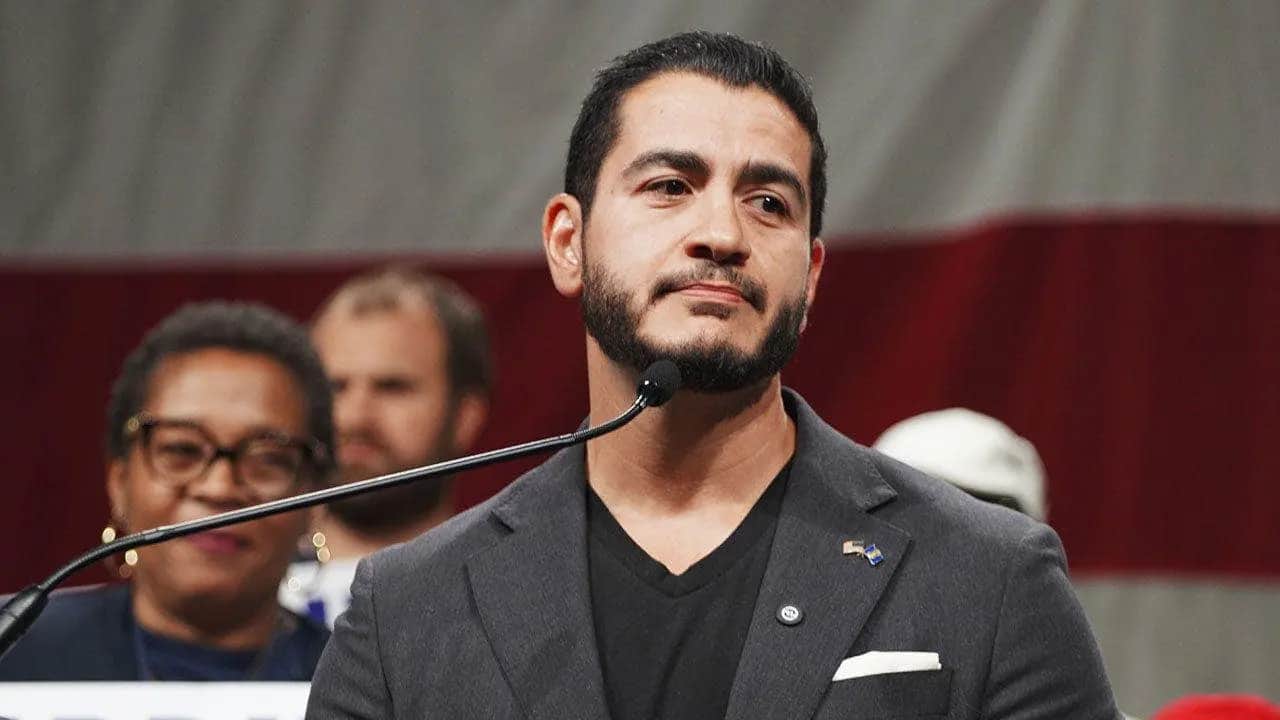
Abdul El-Sayed’s election as the first Muslim elected to the U.S. Senate exposed, in the view of a Fox News columnist, political divisions over Islamism and Islamophobia. She criticizes both Republican attacks on Muslims and Democrats’ reluctance to discuss political Islam, while calling for close scrutiny of El-Sayed’s own views.
The columnist writes that neither party is responding adequately to this debate. In her view, Republicans often fail to distinguish Muslims from Islamists, while Democrats tend to dismiss questions about Islamist ideology as Islamophobia. She believes that, as a result, criticism of political Islam is conflated with prejudice against Muslims, making important questions harder to discuss.
Reported by foxnews.com.
The columnist also notes that accusations of Islamophobia can divert attention from El-Sayed’s political ties and statements. According to Fox News, during a television interview he denied that his family had ties to the Muslim Brotherhood, and after the election he joked about the accusations. The column does not present these circumstances as proof that the candidate or his relatives were involved with the organization.
At the same time, the columnist criticizes Republican politicians for their rhetoric about El-Sayed. She cites Vice President JD Vance calling him “very, very angry” and President Donald Trump repeatedly calling him a “jihadist.” She also mentions Congresswoman Nancy Mace, who, according to the columnist, made sweeping statements that Muslims were unfit for political office. The columnist believes such attacks could alienate Muslim voters while making substantive scrutiny of the candidate’s positions more difficult.
In the broader context of the debate, Fox News mentions a 2025 French government report on so-called “Islamist infiltration.” As the column describes it, the report concerned attempts by the Muslim Brotherhood to gain influence through local institutions, associations and political structures. The columnist uses this example to explain why, in her view, political Islam should not be reduced to Muslims’ private religious lives.
The column also describes an event at the Arab America Foundation’s national summit, which El-Sayed attended three days after the election. According to Fox News, one of the organizers marked his victory by saying, “You defeated AIPAC twice,” then invoking the slogans “Free Palestine” and “From the river to the sea.” The article says El-Sayed smiled as these words were spoken and did not publicly object at the time.
The columnist notes that the slogan “From the river to the sea” is interpreted in different ways: many Israelis and Jews understand it as a call for Israel’s destruction, while some Palestinian activists see it as a demand for freedom and equal rights. In her view, politicians should explain what they mean by it and state their positions on Israel’s future as a Jewish state. This is the columnist’s assessment, not a claim that El-Sayed endorsed what the summit organizer said.
Among other grounds for criticism, Fox News cites El-Sayed’s appearance alongside commentator Hasan Piker. According to the column, Piker previously said that the U.S. “deserved 9/11,” and later described the remark as inappropriate; El-Sayed himself later distanced himself from Piker. The columnist acknowledges that politicians should not automatically be held responsible for every statement made by their supporters, but calls on them to clearly disavow extremist rhetoric.
Another episode involved El-Sayed’s remark, “hurt people hurt people,” after an attack on Temple Israel synagogue in Michigan. Federal authorities investigated the attack as a Hezbollah-inspired terrorist act; El-Sayed himself said, according to Fox News, that his words had been misunderstood. The columnist believes political leaders should unequivocally condemn antisemitic violence without using language that could be perceived as excusing it.
During the campaign, questions were also raised about El-Sayed’s family background and possible historical ties to Islamist organizations. The column discusses allegations involving charities associated with his mother and archived posts attributed to his half-sister. El-Sayed rejects claims that he or his family have ties to the Muslim Brotherhood; Fox News does not present these allegations as established facts.
The columnist considers El-Sayed’s published political views more directly relevant to assessing the candidate. She cites articles he co-authored in 2012 after Mohamed Morsi was elected president of Egypt. According to the column, El-Sayed called for recognizing the Muslim Brotherhood’s participation in Egypt’s political uprising. The columnist asks whether his views of the movement have changed since then, but the text does not include an answer from El-Sayed.
In conclusion, the columnist calls for scrutiny of El-Sayed’s public statements, past writings and political alliances, including his positions on the Muslim Brotherhood, Islamist movements, antisemitism and Israel’s right to exist. At the same time, she emphasizes that criticism should be based on a politician’s specific words and actions, not his Muslim identity. In her view, it is necessary to distinguish anti-Muslim discrimination from criticism of a political ideology, while protecting Muslims’ right to practice their religion, participate in politics and hold public office.