

Courts, schools and public places introduce restrictions on AI glasses
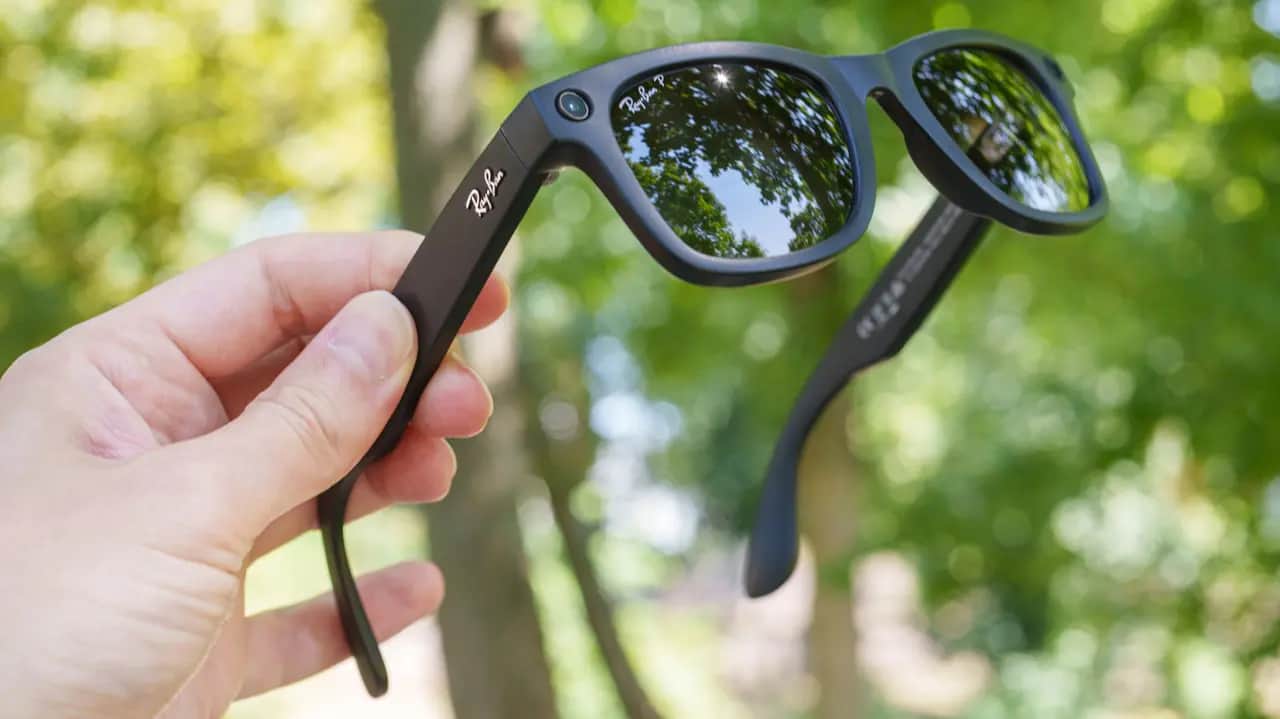
Glasses with cameras are already restricted in courts, schools, military bases and some public venues. According to an Engadget review, the rules vary: from bans at the entrance to restrictions that are still under consideration.
In New York, starting July 20, 2026, camera-, microphone- or computer-equipped glasses may not be brought into 1240 state and local courts. The devices must be handed over to court security staff for safekeeping—turning them off does not change the rule. The ban also applies to Ray-Ban Meta models with prescription lenses. In England and Wales, Meta glasses are banned in courts and tribunals, and security staff may hold them until visitors leave.
Reported by engadget.com.
School rules also apply to different groups of people. In public schools in Western Australia, a ban takes effect on October 12, 2026, and covers students, staff and visitors. Exceptions are provided for approved medical, educational and accessibility needs. Victoria has announced a similar restriction, due to take effect on January 27, 2027. Glasses are also not allowed at SAT testing sites, even during breaks, unless a special accommodation has been approved; violations may result in scores being canceled.
Restrictions also apply in other places. The U.S. Marine Corps has banned the use of smart glasses at Camp Lejeune and its other bases. In Australia, the Canterbury-Bankstown council has banned them at sports and aquatic centres. British cinemas are introducing measures against glasses with cameras, citing privacy and film piracy. Royal Caribbean, by contrast, allows them to be worn aboard its ships but not used in casinos, medical facilities and youth areas.
One example of a restriction across a wider area is Punjab in India. In October 2026, the use and sale of smart glasses with cameras and covert-recording capabilities were banned there for 30 days. The order also covered mini cameras disguised as pens or keychains, and selling them online does not circumvent it. According to Engadget, authorities said the decision followed complaints about devices being used for illegal surveillance, harassment and blackmail. The ban applies only to Punjab; the models covered by it were not specified.
According to the Engadget review, there is no general, permanent ban on AI glasses across an entire country: restrictions mostly apply to specific venues or areas. In Norway, the government is only considering temporary rules for parks, beaches, shopping centres and gyms. They have not yet been adopted, and the types of glasses they might cover have not been defined. The distinction matters, in particular, because not all smart glasses have a camera.
Privacy concerns are not limited to potential risks. In September 2026, the Paris prosecutor’s office opened an investigation following complaints that women had been filmed without their consent using smart glasses and that the recordings had been posted online. The prosecutor’s office did not name the device brands. Meanwhile, the question of whether people nearby can always tell when a camera is operating remains complicated: Meta says an indicator lights up when photos or videos are being recorded, but Ray-Ban documentation notes that some AI features on newer models may operate without it if they do not save images for sharing.