

Washington Initiative Faces Legal Challenges as Colorado Governor-Elect Allows for Changes
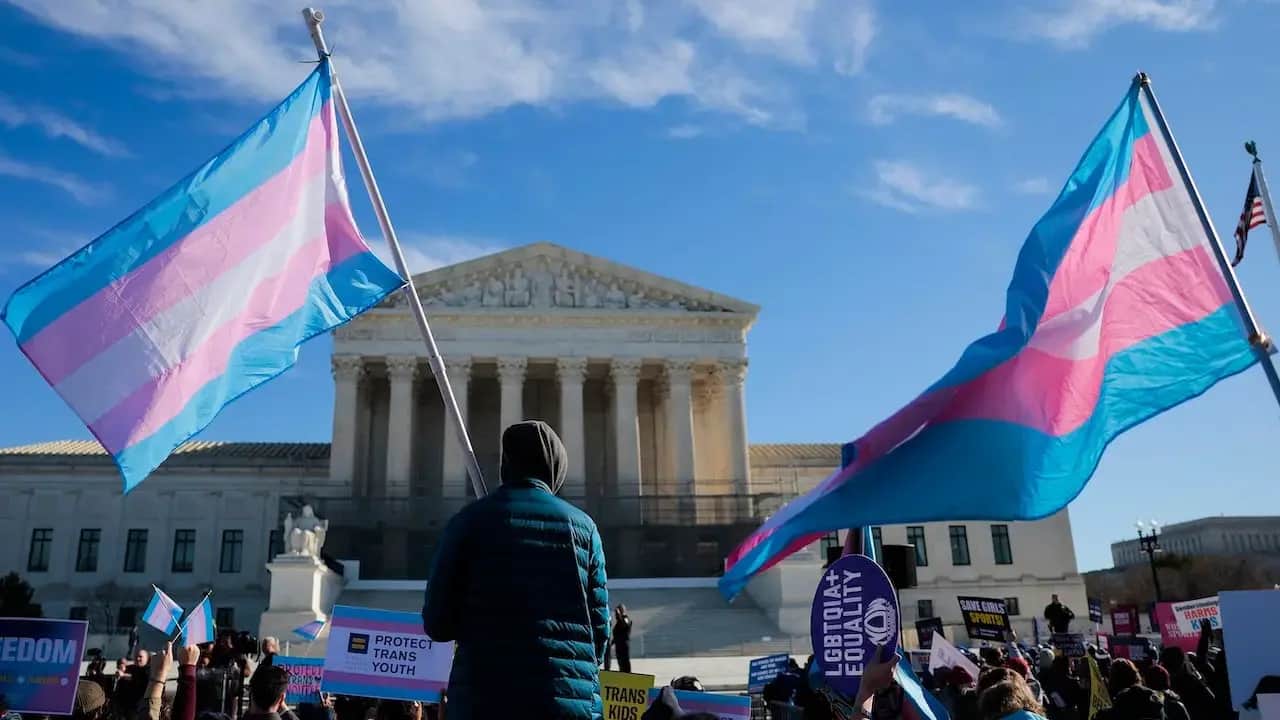
In Washington state, the Democratic Party has backed legal challenges to a voter-approved initiative on participation in girls’ school sports. In Colorado, Democratic governor-elect Phil Weiser said officials should consider possible changes to a similar measure, but has not yet specified any amendments.
According to OutKick, voters in four states this month supported measures restricting transgender students’ participation in school sports. In Washington, approximately 56% of voters backed Initiative 638. It bars biological males from competing on girls’ school teams and requires students seeking to compete in girls’ events to provide medical documents confirming their sex.
Reported by foxnews.com.
The state Democratic Party said on November 6 that the fight over Initiative 638 was only beginning. The party considers it unconstitutional and backed organizations preparing lawsuits. Afterward, the ACLU of Washington, Legal Voice and Pacifica Law Group filed a lawsuit on behalf of a state teachers’ union, a nonprofit organization and parents.
The plaintiffs argue that the initiative discriminates against transgender girls and imposes an unequal privacy burden on girls seeking to participate in school sports. They are asking the court to prevent the measure from taking effect on December 3. This is a request by a party to the case, not a report that the initiative has already been blocked.
Separately, the Seattle School Board authorized the district to begin legal action. It cited privacy and equal-treatment concerns, as well as a possible conflict with existing protections. The board’s decision itself does not stop Initiative 638 from taking effect.
Meanwhile, state Attorney General Nick Brown, a Democrat, assigned the outside firm Bryan Cave Leighton Paisner to defend the law on behalf of the state. According to OutKick, Brown said this would ensure the initiative is defended while allowing his office to continue its work protecting transgender people’s rights.
Female Athletes United is also seeking to join the case. On November 13, Alliance Defending Freedom filed a motion on its behalf to intervene as a defendant and defend Initiative 638. The filing is a request for the court to allow it to join the case: according to OutKick’s report, that permission had not yet been granted at the time of publication.
In Colorado, approximately 52% of voters approved Proposition 134. It provides that school and university sports teams must be designated as male, female or coeducational, and that participation in them is generally tied to biological sex. After the election, Weiser said the state should assess the measure and determine what changes might be necessary and appropriate. OutKick relayed the statement, citing The Colorado Sun, whose report was published by Colorado Public Radio.
Weiser expressed concern about potentially invasive eligibility checks. At the same time, OutKick notes that the text of Proposition 134 does not explicitly require genital examinations or establish a single statewide verification procedure. The governor-elect has not yet outlined any specific amendments.
Because Proposition 134 amends state law rather than the state constitution, lawmakers can amend it without another statewide vote. Demonstrators in Denver demanded that the measure be repealed, while supporters, including Protect Kids Colorado, accused Weiser of disregarding the voters’ decision.
The Colorado High School Activities Association said it must comply with the new law. Denver Public Schools also said it would support students while complying with state law. Proposition 134 is scheduled to take effect on January 1, 2027.