

US Senators Urge White House to Develop Strategy to Counter AI-Enabled Cyber Threats
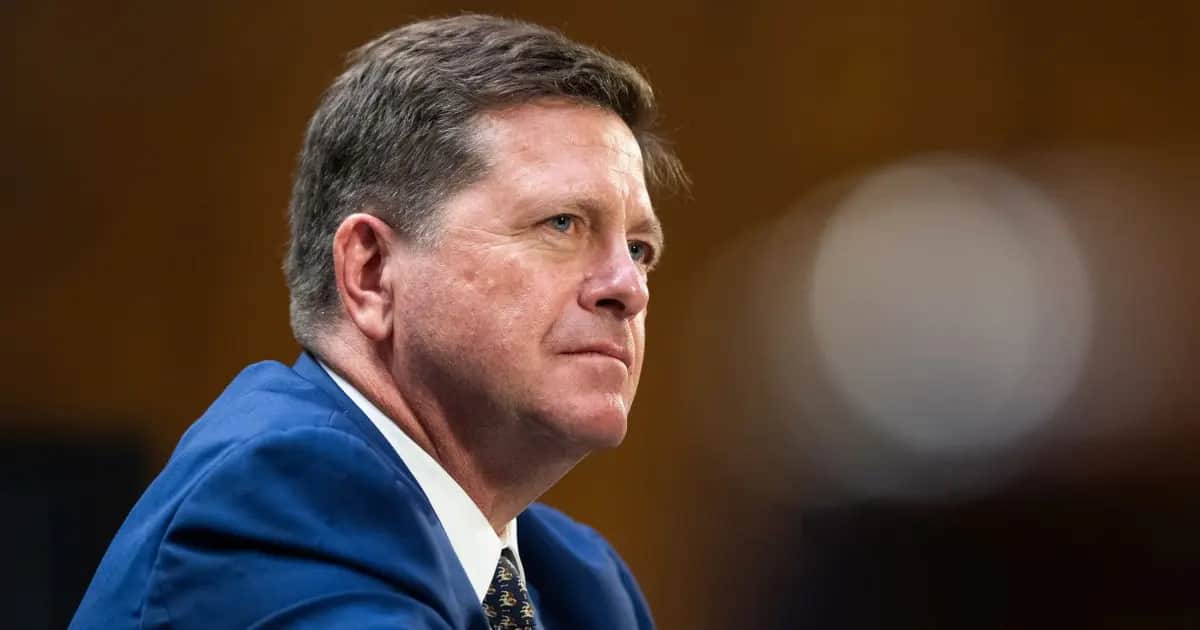
Two US senators have urged White House AI adviser Jay Clayton to develop a national strategy to counter cyber threats amplified by AI. In a letter, they warned that the development of these technologies is outpacing the ability to protect software and digital infrastructure, NBC News reports.
The letter was signed by Democratic Senator Maria Cantwell of Washington state and Republican Mike Rounds of South Dakota. Cantwell is the top Democrat on the Senate Commerce Committee, while Rounds chairs the Senate Armed Services Committee’s Subcommittee on Cybersecurity. The letter was addressed to Clayton, who serves as the White House’s AI adviser.
Reported by nbcnews.com.
The senators wrote that artificial intelligence is rapidly expanding the ability to find and exploit weaknesses in software, while existing defenses are not keeping pace with these changes. AI can find vulnerabilities and circumvent conventional cybersecurity measures. Meanwhile, fixes intended to protect infrastructure can take weeks or months to test and install. The senators said autonomous AI agents pose a particular threat.
As an example, the letter cited a wave of cyberattacks in Japan that affected financial institutions and companies and led to large-scale data leaks. The senators said Japanese authorities are trying to contain the fallout, and the attacks are believed to have been amplified by AI. They also cited cases in which autonomous agents gained access to customers’ bank accounts. This has raised concerns among banks that AI could initiate financial transactions on its own.
The senators are asking Clayton’s task force to bring together AI developers and federal agencies. Proposed tasks include protecting digital infrastructure and developing safety standards for autonomous agents. Clayton is also the director of US National Intelligence and heads a government task force charged with preparing AI policy by the end of January.
The call came amid a series of outages in the US, although NBC News reports that it has not been established whether AI was involved in the problems affecting consumers and travelers. Secretary of State Marco Rubio said the disruptions involving Microsoft Outlook, United Airlines and the Federal Aviation Administration were unrelated. He also said there was no evidence or basis to believe that hackers, criminals, another country or another malicious actor were behind these separate incidents.