

US officials do not expect a breakthrough in AI talks at Trump’s meeting with Xi
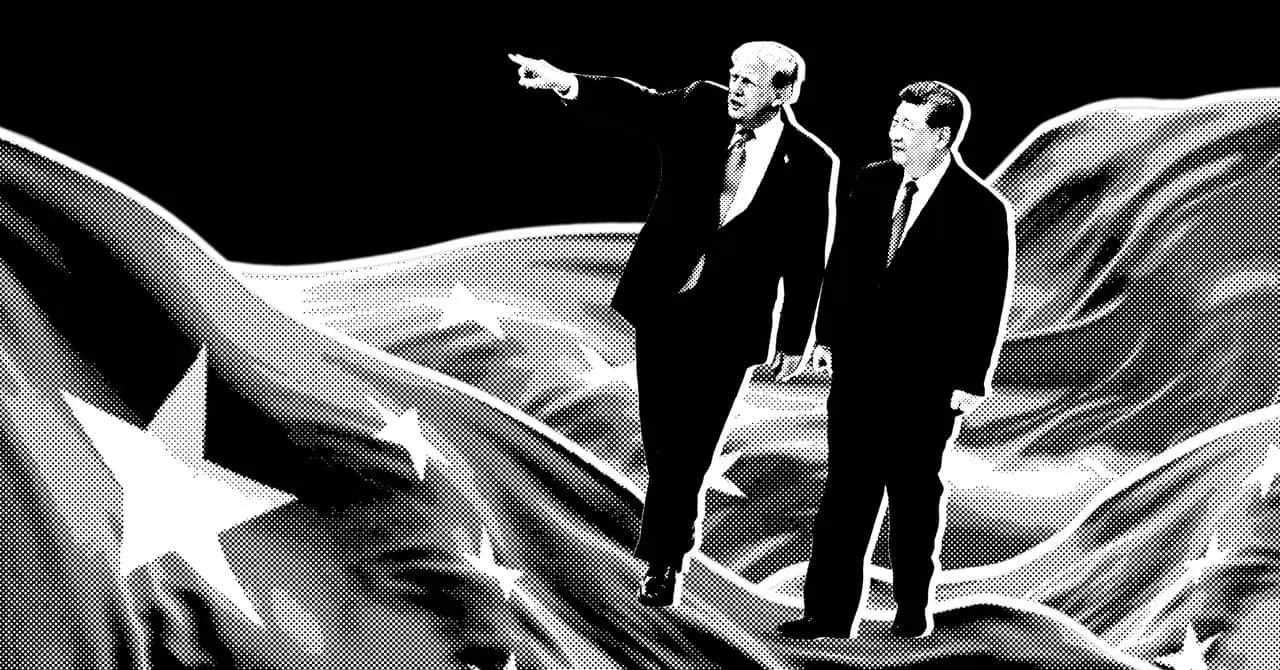
Ahead of Donald Trump’s meeting with Xi Jinping, US officials saw little chance of progress on AI safety and espionage issues. WIRED reports this, citing US administration officials.
Before leaving the White House, Trump did not say whether he would raise Chinese interference in the AI sector or the Nvidia scandal with the Chinese leader. WIRED writes that officials said their caution reflected a desire not to strain relations during the summit.
Reported by wired.com.
AI talks are complicated by the story involving former Nvidia executive Jensen Huang and Alice Guang, head of the company Megaspeed. US officials linked the story to suspicions that Guang may have been an agent of Chinese intelligence. China rejected such accusations as baseless and called them slander.
In September, the Trump administration proposed creating a hotline for reporting AI incidents. It was intended to connect US Treasury Secretary Scott Bessent with Chinese Vice Premier He Lifeng, but, according to WIRED, the channel remained only a proposal and was not operational.
Last week, US Secretary of State Marco Rubio told reporters that the governments of the two countries had held technical talks on AI safety. At the same time, he acknowledged that work on the issue was ongoing. US officials had also previously discussed a framework agreement that would define the circumstances in which each side should notify the other about an incident, and how to ensure that such notifications were reciprocal.
Among the obstacles to an agreement, WIRED cites differing views on the main risks of AI and governments’ reluctance to disclose incidents. US officials and representatives of the technology industry were concerned that models could become autonomous and act without human oversight. According to the publication, China was more concerned that open models could be used by government critics and dissidents.
The publication also notes that Chinese authorities probably would not report cases of models going out of control if they were using advanced systems to gather intelligence inside the country or abroad. Mutual suspicions of espionage deepened mistrust: China believed that the US was trying to curb its AI development.
Against the backdrop of Trump’s stated desire to improve economic relations with China, the US administration announced a new rule that same week restricting China’s remote access to US AI chips in overseas data centers. WIRED links the move to suspicions about Megaspeed’s role in the scandal and criticism that a company linked to China had gained access to advanced chips. According to the publication’s previous reports, the restrictions could also apply to similar companies with Chinese parent organizations.