

Democrats’ victories open path to an agreement for a nationwide popular vote in the US
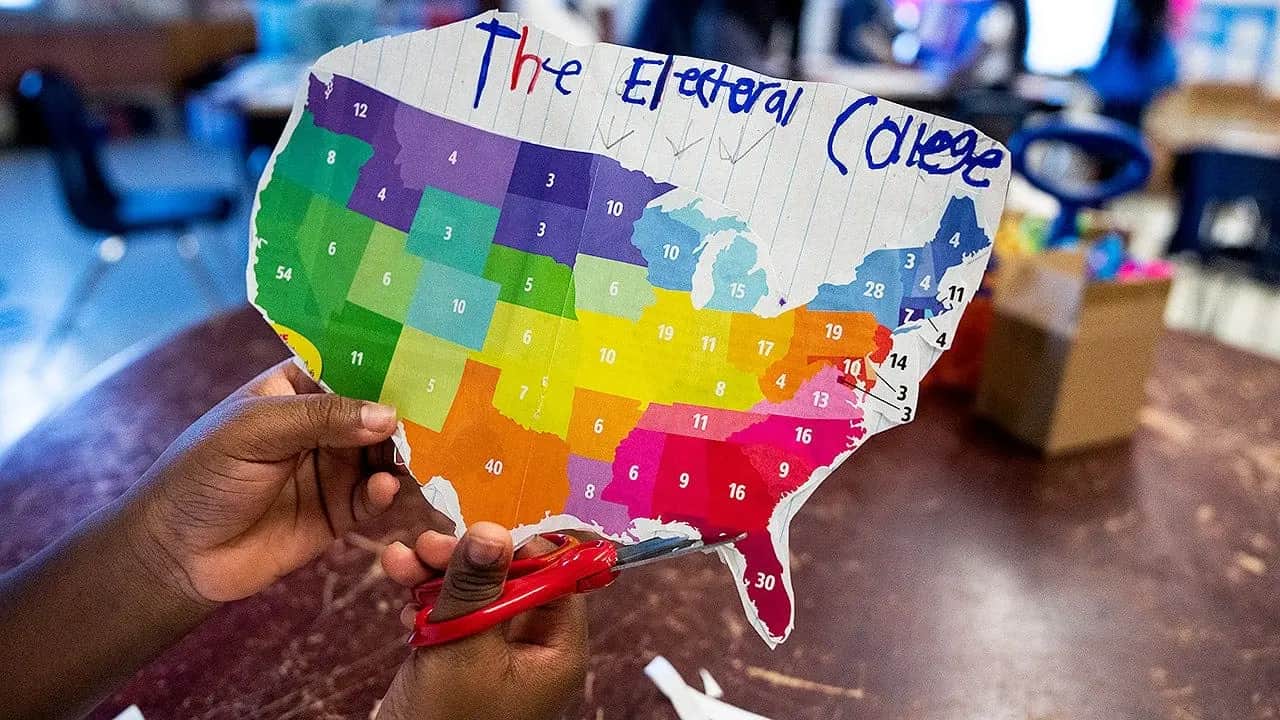
Democratic victories in the midterm elections could bring the US National Popular Vote Interstate Compact closer to taking effect. If four states where the party gained control of government join it, participants would have 272 electoral votes — more than the 270 required.
According to Fox News, the National Popular Vote Interstate Compact has already been adopted by 18 states and Washington, D.C. They have pledged to award their electoral votes to the candidate who wins the nationwide popular vote. Participants currently account for 222 electoral votes, leaving them 48 short of the activation threshold.
Reported by foxnews.com.
After the midterm elections, Democrats control the governorship and both chambers of the legislatures in Michigan, Pennsylvania, Wisconsin and Nevada. According to estimates, those four states joining would add 50 electoral votes to the compact, bringing the total to 272. Arizona could raise the figure to 283 if Democrats ultimately gain control of both chambers of its legislature.
National Popular Vote, a nonprofit organization that developed the compact and is promoting its adoption state by state, said it had found several legislative sponsors in each of the five potential member states. The organization expects the relevant bills to be introduced before or at the start of the 2027 legislative sessions.
Under current rules, nearly all states except Maine and Nebraska award all their electoral votes to the candidate who wins the vote within the state. If the compact takes effect, participating states would instead support the candidate with the most votes nationwide. The Electoral College would formally remain, but the nationwide vote count would determine the outcome. Supporters of the compact say this approach would give every vote equal weight.
The compact also faces constitutional objections. Election law expert Hans von Spakovsky told Fox News that states cannot use an interstate compact to change the foundations of the Electoral College, and suggested that opponents could challenge it in court. He also believes the compact would require congressional approval under the Constitution’s Compact Clause.
Patrick Rosenstiel, a senior consultant to National Popular Vote, disputed that the compact would unconstitutionally change the system. He said the Constitution gives states the authority to determine how electors are appointed, and that the key legal question is whether congressional consent is required. Rosenstiel also said that for the compact to apply in the 2028 election, states accounting for at least 270 electoral votes must join by July 20 of that year. Until then, the system remains unchanged.