

US Democrats Push for Minimum Wage Hike as Economists Warn of Risks
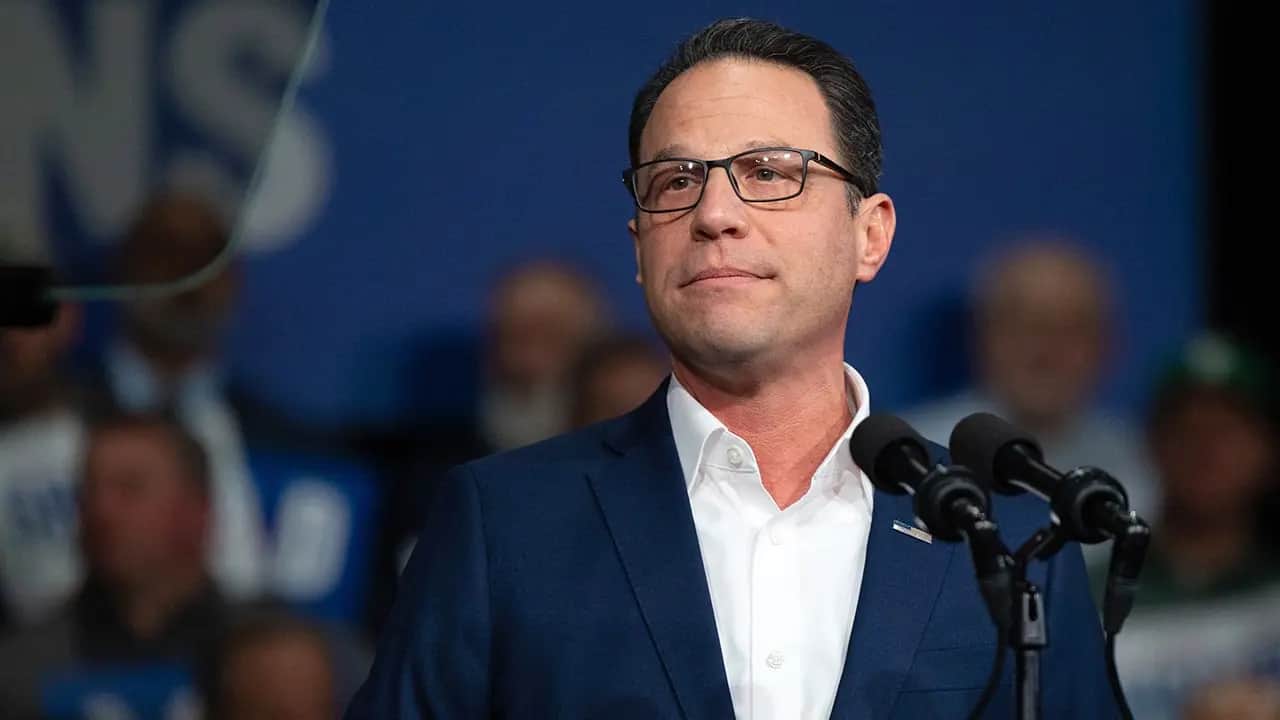
After their success in the midterm elections, Democrats in the US are pushing to raise the minimum wage. Pennsylvania Governor Josh Shapiro has promised to increase it from $7.25 to $15 an hour, while Illinois Governor JB Pritzker has called for a higher federal minimum; economists warn that employers could cut hiring and working hours or raise prices, Fox News reports.
Shapiro named raising wages one of his first priorities after Democrats won control of both chambers of Pennsylvania’s legislature. He said about 500 thousand workers in the state earn less than $15 an hour. The governor said he wants to sign a bill setting the new minimum in January, when the new Democratic majority takes office. Thus, this is his plan, not an increase that has already been enacted.
Reported by foxnews.com.
Pritzker is urging Congress to raise the federal minimum wage. He previously signed a law that gradually raised Illinois’s minimum to $15 an hour by 2025. The governor said he believes Congress should quickly address the issues of higher wages and the cost of living. House Minority Leader Hakeem Jeffries also said the federal minimum should be raised and plans to discuss it with members of the House of Representatives and Senate. Fox News notes that the federal rate is $7.25 an hour.
Economist Tom Savage of the American Institute for Economic Research warned Fox News that a sharp increase in labor costs could lead small businesses to respond by raising prices, cutting working hours or limiting hiring. In his view, a uniform federal minimum does not account for regional differences in wage levels and business costs, and any reduction in job openings would particularly affect people without experience. Savage also believes large companies have more ways to adapt to higher labor costs—including spreading them across a greater volume of sales—and could therefore gain an advantage over small businesses.
Similar concerns were voiced by Adam Gorczik, a policy researcher at the Illinois Policy Institute. In his assessment, employers could respond to higher costs by reducing working hours and hiring or by raising prices. He also believes that raising the minimum could help some workers while making it harder for young people and those with little experience to find their first job. These statements are assessments by critics of the proposal, not claims that its adoption would inevitably have these consequences.
As an example of economic disputes around a high minimum wage, Fox News cites Seattle: at the time of the report, the rate there was $21.30 an hour and was due to rise to $22.14 in January. According to a survey by Intentionalist conducted in January among 136 independent small businesses in Seattle and neighboring communities in Washington state, 67% of respondents reported greater financial difficulties than during the pandemic. Factors they cited included labor, rent and insurance costs, as well as weaker demand. These are survey results from businesses, not an estimate of the minimum wage’s impact on the city’s entire economy.
Studies of the effects of previous increases in Seattle have reached different conclusions. A paper published in 2022 in the American Economic Journal: Economic Policy found that the 2015 and 2016 increases raised pay for more experienced workers but reduced hours worked, especially among less experienced workers, and limited opportunities for people entering low-wage occupations. By contrast, a separate study by researchers at the University of California, Berkeley, published in 2017, found wage growth in the restaurant sector without a statistically significant decline in restaurant employment. Fox News also reports that Seattle restaurateurs cited labor costs among the reasons for closing establishments, alongside food prices, weaker demand and other operating expenses.