

UK warned of risk of improper police action over facial recognition matches
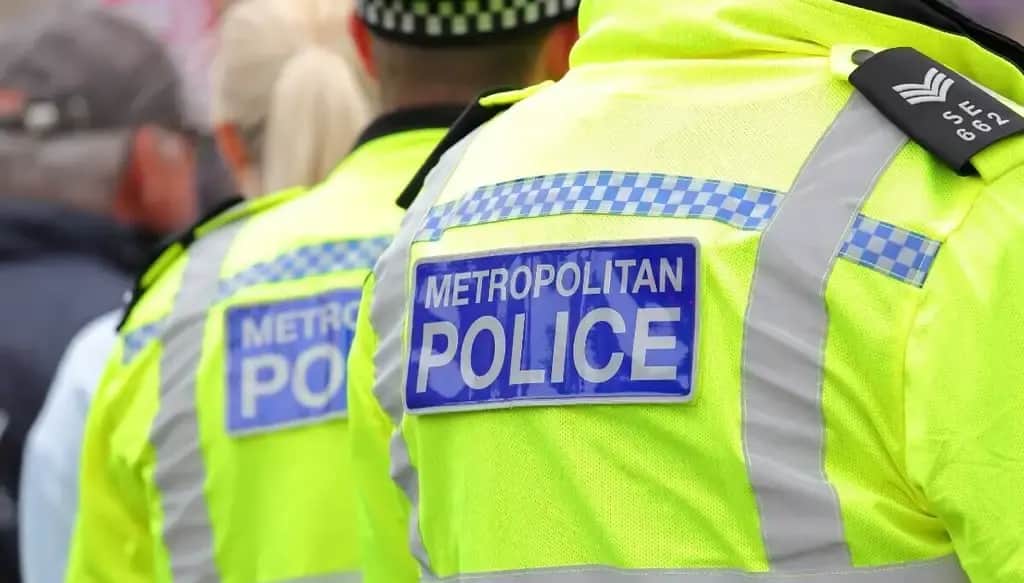
The UK police inspectorate found that investigators did not always properly verify matches generated by retrospective facial recognition before acting. In a small number of cases, excessive reliance on the technology’s results led to improper investigative actions; at the same time, the inspectorate cautioned that an arrest following such a match is not necessarily unlawful.
The findings of His Majesty’s Inspectorate of Constabulary and Fire & Rescue Services (HMICFRS) were reported by Mezha, citing The Register. The inspectorate found significant differences in how police and the National Crime Agency understand the responsible use of retrospective facial recognition (RFR). It cited fragmented governance arrangements and an underdeveloped legal framework as reasons.
Reported by Mezha.
An RFR result is a possible image match identified by the system, not independent confirmation of a person’s identity. Representatives of the National Police Chiefs’ Council stressed that such results are intelligence, not evidence. However, according to the report, some investigators regarded the results as evidence, and some did not know that additional checks were required before taking coercive measures.
The report says that some investigators did not always carry out enough checks to confirm matches before acting. In a small number of cases, excessive reliance on RFR led to improper investigative actions. Some units changed their procedures after such incidents, but practice remained inconsistent overall.
Police officers explained that the urgent need for response teams to deploy quickly limits the time available for additional checks of results. At one unit, according to the report, managers encouraged officers to move investigations forward quickly after a match. At the same time, the inspectorate emphasized that the fact of an arrest does not mean it was unlawful: investigators may sometimes need to check a person in order to rule them out as a suspect.
There is no specific law establishing a uniform approach for police use of facial recognition, the report says. The inspectorate believes that current legislation has not kept pace with technological developments and that rules vary between units. It called for a statutory code with national standards to be included in a future police reform bill.
Units are responsible for their own procedures, but some had not established formal processes for checks using RFR. Where centralized facial recognition teams were in place, governance arrangements were generally better and procedures more consistent. The inspectorate also found that law enforcement training on RFR was uneven; improving it, HMICFRS assessed, would help ensure the technology is used more effectively and lawfully.
Another concern involved photographs of people who had been arrested. Units often failed to follow rules on retaining them and left images that should have been deleted in the Police National Database, where many RFR searches are conducted. Police guidance sets out when photographs may be retained, but the inspectorate found that these requirements were not always followed.
A future police reform bill will provide for photographs of people who have been arrested to be retained alongside DNA data and fingerprints, as well as measures to ensure images are retained or deleted in accordance with legal requirements. These are planned legislative provisions, not a description of a change already in force.
The inspectorate warned that the prolonged improper use of RFR and other facial recognition technologies could undermine public trust, which, it assessed, remains generally high. HMICFRS Inspector Catherine Stone said facial recognition allows police to compare images in seconds and solve crimes more quickly. At the same time, she said, law enforcement must demonstrate that safeguards are in place, risks of bias and data retention are controlled, and decisions are made using human judgment.