

Trump considers joint strike with Israel on Iran, but imminence is disputed
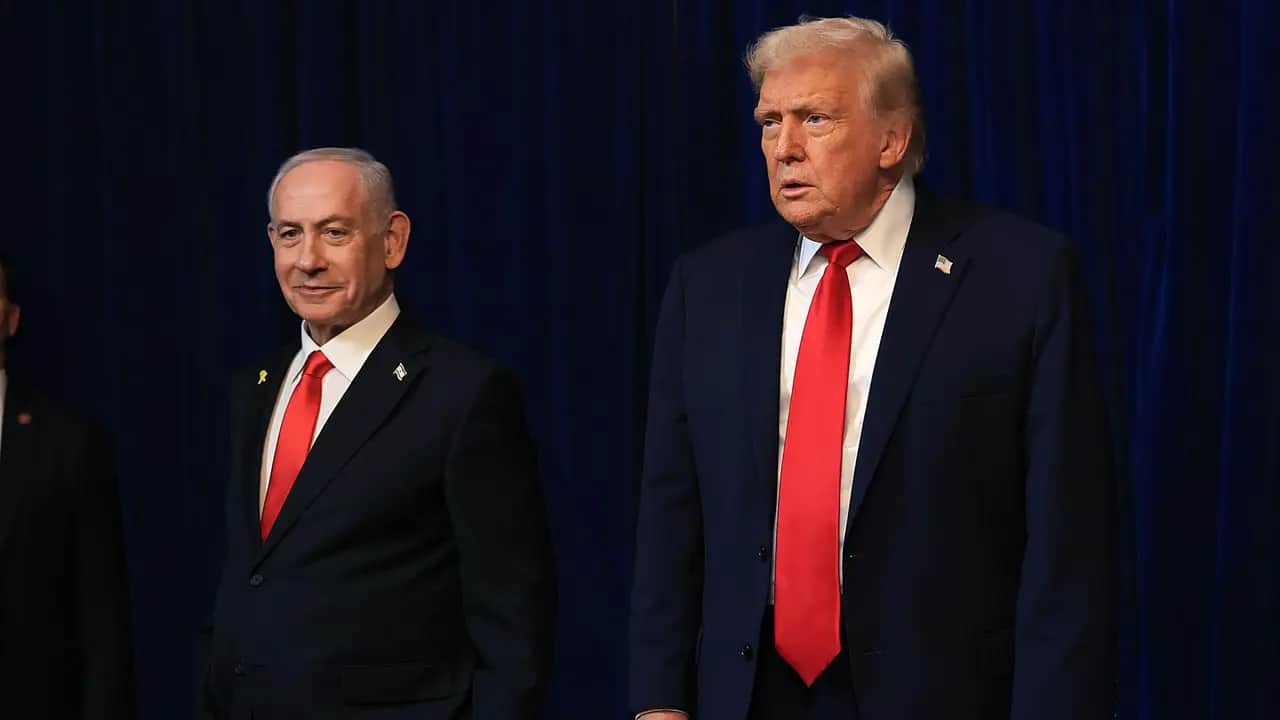
Donald Trump is still considering the possibility of a joint attack on Iran with Israel, although last week he called a new large-scale wave of strikes unlikely. The White House is assessing scenarios for Tehran’s response, including possible attacks on energy facilities in Persian Gulf countries, Mezha reports, citing Axios.
According to Axios, cited by Mezha, Trump may revisit the military option after returning from Asia later this week. On Wednesday, however, he indicated that a strike was not imminent. Possible targets named included Iran’s suspected nuclear sites, including Pickaxe Mountain, bridges and power plants, as well as the country’s military and civilian leaders. Any US operation would involve Israel.
Reported by Mezha.
The White House asked the Pentagon and intelligence experts to consider how Iran might respond to various military scenarios prepared by the US. One question is whether an option could be chosen that would avoid a devastating response against oil and gas facilities in Persian Gulf countries. According to the report, the risk assessment covers the possible regional consequences of US and Israeli strikes.
Positions on resuming the war differ. Israeli Prime Minister Benjamin Netanyahu is urging Trump to act as soon as possible, while leaders of Persian Gulf countries, concerned about the scale of a possible Iranian response, are calling on the US president not to strike and to continue economic pressure. Trump’s team is also divided: Defense Secretary Pete Hegseth was named among those who favor decisive military action.
A US official said the economic pressure campaign was having a strong effect on Iran, so large-scale combat operations might be unnecessary. At the same time, he stressed that Trump was keeping all options open to prevent Iran from acquiring nuclear weapons. In an interview with Fox News, the president himself said a decision on what to do next was still ahead and linked possible developments to the period after January 1.
Iran’s activity related to chemical weapons has become a separate source of concern for Israel. Last week, Mossad Director Roman Gofman visited Washington and Miami and held talks with CIA Director John Ratcliffe and White House envoy Steve Witkoff. According to an Israeli source, Gofman arrived at Netanyahu’s direction to press for a resumption of the war against Iran.
Sources in the US and Israel said Gofman also conveyed concerns about Iran’s work on chemical weapons. Israel says it has intelligence indicating an expansion of research and development and the conduct of tests; a US official confirmed that Trump had been briefed on new intelligence. Trump himself told Fox News that, in his view, Iran was interested in gas and biological weapons.
Assessments of the threat do not fully align. US and Israeli officials say Iran has stepped up work on chemical weapons, but is not currently capable of carrying out such attacks. According to Mezha, some senior US officials were highly skeptical of Gofman’s claims; one believed the assessments might have been driven by a particular objective. Thus, these are officials’ reports and assessments, not a confirmed fact in the report that Iran has a ready capability to carry out such attacks.
Military contacts between the countries continued in parallel. On Wednesday, US Central Command chief Admiral Brad Cooper visited Israel and met with IDF Chief of Staff Eyal Zamir and Gofman. The Israeli military said the talks focused on Iran, strengthening coordination and joint preparedness for various scenarios.
Cooper also visited Saudi Arabia, where he met Crown Prince Mohammed bin Salman and military officials. Topics included Iran and the war in Yemen. Meanwhile, tensions in the Strait of Hormuz were rising, according to the report: Iran was attacking vessels more often, while the US was carrying out an increasing number of unannounced strikes in self-defense. Iran also resumed drone attacks on US bases in Kuwait and Bahrain; most of the drones were intercepted, and there were no casualties.
Diplomatic efforts to reduce tensions continued, but made no breakthrough. Mediators from Qatar and Pakistan tried to break the deadlock in indirect US-Iran talks. On Tuesday, Qatari representatives met Iranian Foreign Minister Abbas Araghchi in Oman, but made no significant progress.