

Thailand introduces environmental rules for data centers and a 70 dBA noise limit
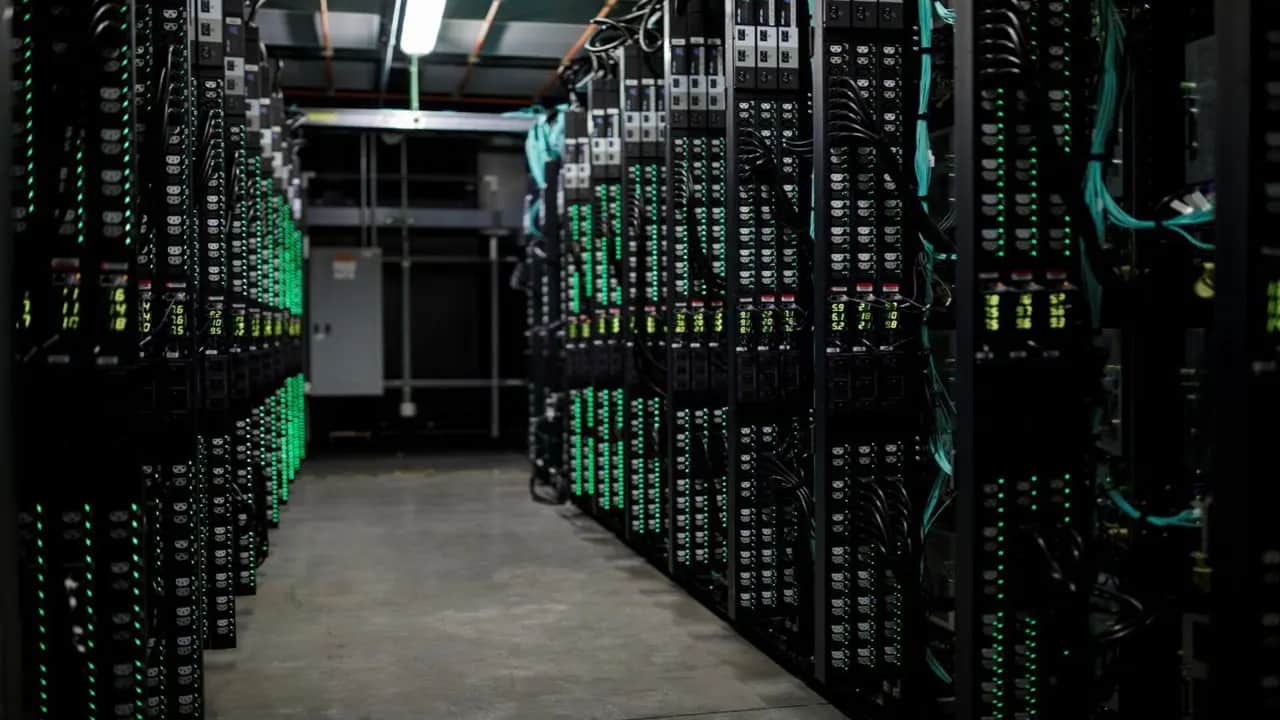
Thailand has introduced its first environmental requirements specifically for data centers. They set, among other things, a noise limit of 70 dBA for uninterruptible power supply equipment, restrict environmental warming and establish rules for water management, TechRadar reports.
The new rules cover three areas of data centers’ impact: noise, heat and water consumption. The 70 dBA limit applies to uninterruptible power systems and equipment that maintain an uninterrupted electricity supply in large computing facilities. The dBA designation accounts for how the human ear perceives sounds at different frequencies.
Reported by techradar.com.
For comparison, TechRadar cites household hair dryers: many produce noise at around 70 dBA when operating, although the actual level depends on the model and speed setting. The limit itself does not mean it will be quiet near data centers: measurement locations, operating conditions and how authorities monitor compliance will matter.
Separate limits apply to heat. According to TechRadar, Danucha Pichayanan, secretary-general of the economic planning agency, said that outside a facility, the temperature increase must remain within 1–2 °C. The requirement takes into account heat from servers and cooling systems; operators may need additional cooling measures to comply, potentially affecting their need for electricity and water.
The rules also require operators to reuse cooling water in circulation systems and to test wastewater before discharge. Data centers located in designated industrial zones face additional environmental obligations.
The Cabinet approved the requirements after construction of new data centers had been suspended for several months. The authorities used this time to prepare rules tailored to the environmental impact of operating such facilities. Finance Minister Ekniti Nitithanprapas said projects that fail to meet government requirements will not receive approval to proceed.
The rules come amid investor interest in the country’s technology infrastructure. According to TechRadar, applications for investment promotion in Thailand exceeded $50 billion in the first nine months of 2026; about 70% of the total value was accounted for by projects related to artificial intelligence. The government aims to attract technology companies while preserving resources for households, businesses and communities near future facilities.