

Samsung, SK hynix and Micron discuss shared charging standards for factory robots
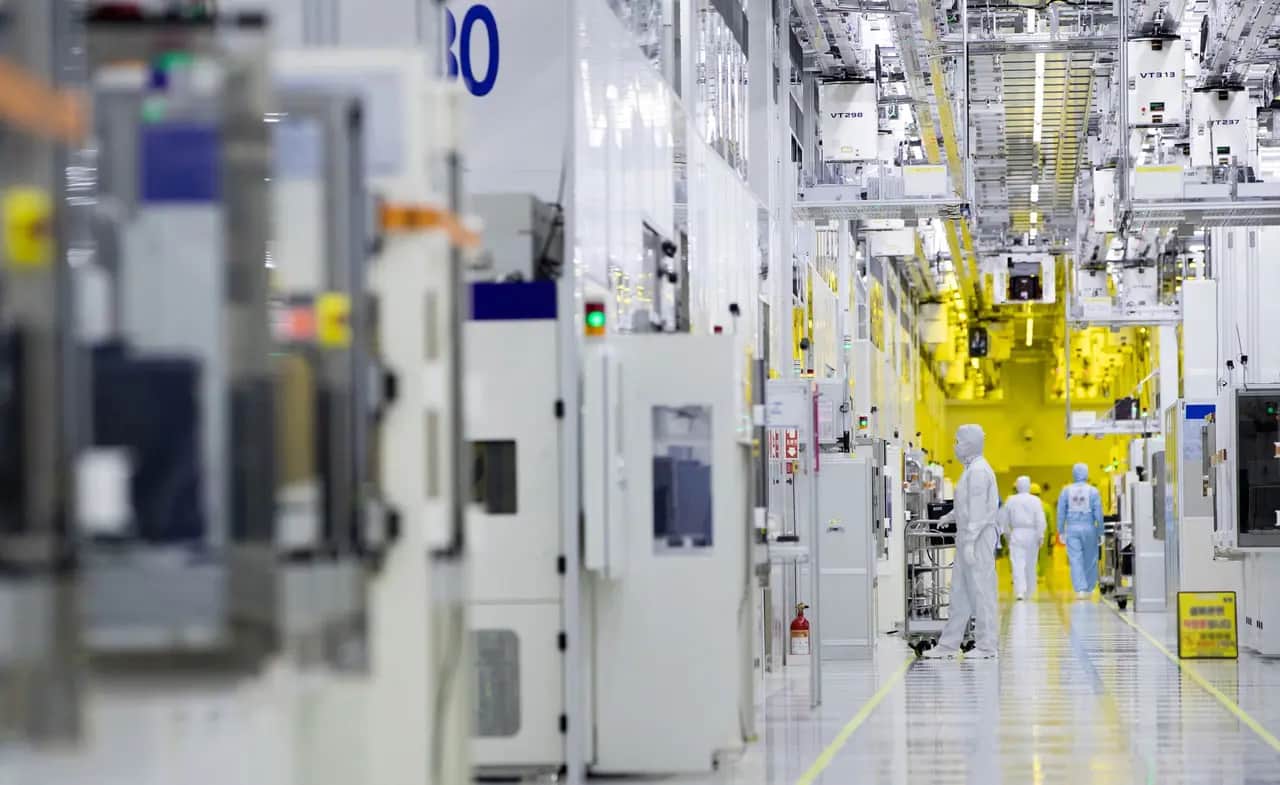
Samsung Electronics, SK hynix and Micron are working on shared charging standards for mobile robots at semiconductor manufacturing plants, according to Tom’s Hardware. The initiative is still at an early stage: the companies and other industry participants are identifying which components and interfaces should be compatible.
According to Tom’s Hardware’s account of a Seoul Economic Daily report, representatives of the three companies have formed an advisory group that also includes industry association SEMI. Its task is to develop technical specifications that will allow robots from different manufacturers to use shared charging equipment. This is intended to reduce the cost and complexity of deploying large fleets of robots at manufacturing facilities.
Reported by tomshardware.com.
The publication links the need for compatibility to the characteristics of factories and the robots currently in use. Many processes in modern plants are automated, but some tasks are still performed by people—for example, moving materials between floors. Older factories may have less automation: workers transport containers of silicon wafers on hand carts. Mobile robots can take over some of these tasks without extensive facility renovations or the installation of complex fixed transport systems.
Different robot models often have their own batteries and charging systems. If a factory uses equipment from several manufacturers, it may need separate charging stations for each model. As Tom’s Hardware describes it, this not only increases equipment and maintenance costs but also takes up valuable factory floor space. Shared specifications are intended to allow different robots to use compatible stations.
Components that the standards could cover include battery specifications, charging-station equipment, communication protocols, connectors and battery management systems. The first practical goal is charging compatibility across different models. It could also reduce the extent to which choosing a new robot depends on the infrastructure already installed at a factory, giving companies more freedom to choose a supplier.
In the longer term, participants could link data on battery charge and robot availability to a MES system—software that coordinates and tracks manufacturing operations. According to the publication, such integration would make it possible to plan when robots should operate and when they should return to charge, taking production schedules into account. This could help avoid work interruptions as factories expand their robot fleets. However, this is a later stage, not a solution that has already been implemented.
Samsung, SK hynix and Micron are competitors, but all could benefit from jointly addressing the problem of incompatible charging systems. Tom’s Hardware notes that Samsung has its own robotics division, while the other two manufacturers are primarily buyers of industrial robots. Under the proposal, technical requirements would be developed with the participation of robot manufacturers, equipment suppliers and other industry stakeholders, rather than simply imposed on suppliers by the three companies.
According to DigiTimes, the industry discussed shared robotics standards about ten years ago, but those talks made little progress. Tom’s Hardware links the renewed interest to the semiconductor boom and rapid advances in industrial robotics. In the publication’s view, backing for the initiative from three major memory manufacturers could encourage suppliers to develop compatible equipment. The broader goal is more automated factories: Samsung and SK hynix have already outlined plans to create an autonomous semiconductor manufacturing facility by 2030.