

Researcher gained root access to Renault’s multimedia system to change the time
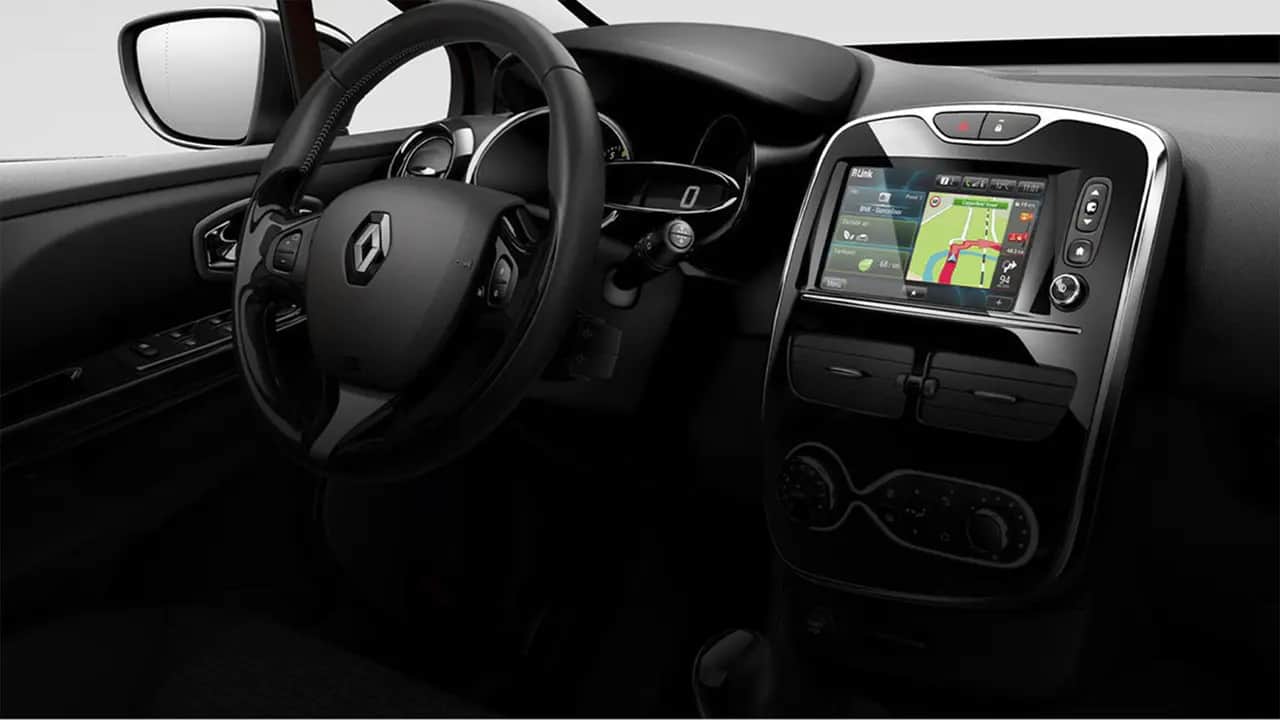
Rasmus Mooratz, a cybersecurity researcher and owner of a 2014 Renault Latitude, could not change the time on the car’s display in the usual way: the system required a missing SD card containing navigation maps. According to Tom’s Hardware, he examined the multimedia unit’s software and gained root access to adjust the clock.
When the car’s clock was an hour behind after the seasonal time change, Mooratz tried to adjust it through the dashboard menu. One of the two available menus let him change Bluetooth and phone book settings, but did not help with the time. The other would not open a submenu: the system displayed the message “Maps not found” every time.
Reported by tomshardware.com.
The car’s previous owner had warned him that an SD card was needed to change the time. Mooratz, however, did not find this plausible and had not left the card in the car because its navigation data was outdated. As a result, the usual way of setting the clock was unavailable.
The researcher then set about reverse-engineering the system. As Tom’s Hardware reports, he found that the multimedia unit runs a modified version of TomTom’s Linux operating system and uses a Samsung chip. Mooratz extracted and analyzed the firmware, created a QEMU environment for the device, examined its scripting engine, and found several vulnerabilities.
Rather than trying to make a script run in the system’s user environment, Mooratz made the kernel execute it. The approach worked and gave him root access—the highest level of privileges in the system. Only then was he able to reach the saved date and time settings.
The settings were stored in the file /mnt/flash/settings.dat in a special binary format. According to Mooratz, the system does not treat time zones as a separate concept: it gets the time from GPS and stores the local offset as a number of minutes. In his car, the value was 180; the researcher changed it to 120.