

Reports of the Loch Ness Monster Increased in 2026, but Researcher Sees No Special Trend
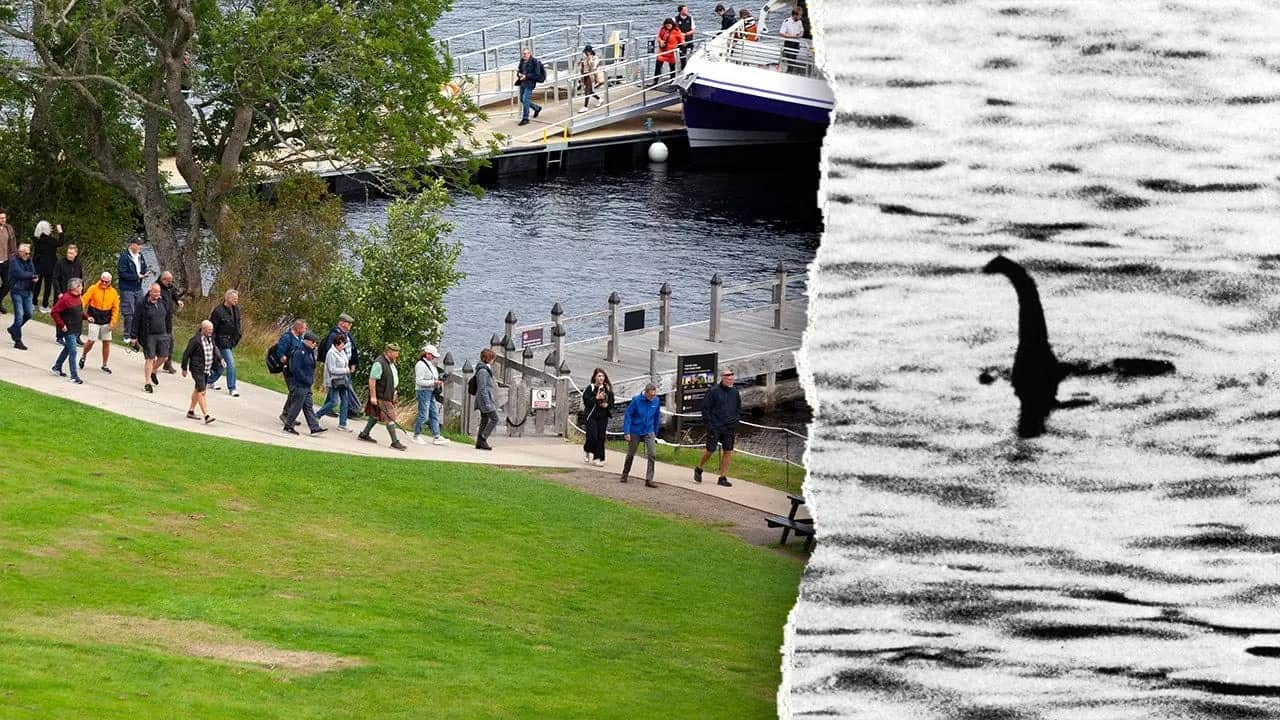
The Loch Ness sightings register received 15 reports in 2026 — more than twice the six recorded a year earlier. However, statistical ecology researcher Charles Paxton told Fox News Digital that such year-to-year fluctuations are nothing unusual.
The register contains accounts from visitors and local residents who have been to Loch Ness, a freshwater lake in the Scottish Highlands. Paxton stressed, however, that despite its name, it is not an official database. Reports are collected from various sources, and the website has become a central place where people can share their stories.
Reported by foxnews.com.
Among this year’s reports, Fox News cited several examples. In March, an American said he saw a dark greenish-gray body emerge from the water for about five seconds. In July, a local sailor said he spotted a head above the surface that looked like a large crocodile’s head, but did not manage to photograph it.
In August, a visitor from Malta reported a creature resembling a large eel moving against the current. The register noted that the witness estimated its length at at least seven meters. These are eyewitness descriptions cited in the Fox News report, not confirmation that an unknown animal exists.
Paxton, a research fellow in statistical ecology at the University of St Andrews, said the number of reports varies considerably from year to year. In his view, the jump from six to 15 does not point to any special trend. The researcher also said he does not consider people who describe what they saw to be liars, although he does not believe in an unknown creature living in the lake.
Among the possible explanations for unusual sightings, Paxton named animals in the water, boat wakes, wind-driven waves and floating vegetation. He studies how cultural influence can shape reports of such phenomena, and said statistical analysis helps examine patterns in these accounts.
Paxton dates the beginning of the modern phenomenon of reports about the monster to the 1930s, particularly 1933 and 1934. At the time, interest in stories about the creature brought an influx of tourists. He said that in 1934, local authorities cut the tourism budget because they did not consider promotion necessary, while traffic jams formed near the lake.
In the 1960s, the Loch Ness Investigation Bureau resumed collecting sightings data. From the 1970s onward, the number of reports generally declined, although it fluctuated from year to year, the researcher said. The current increase in registrations should therefore be viewed as a year-to-year change in the body of accounts, not as evidence that a monster has appeared.