

Israeli Investors See an Opening for Nvidia Competitors After Leadership Change
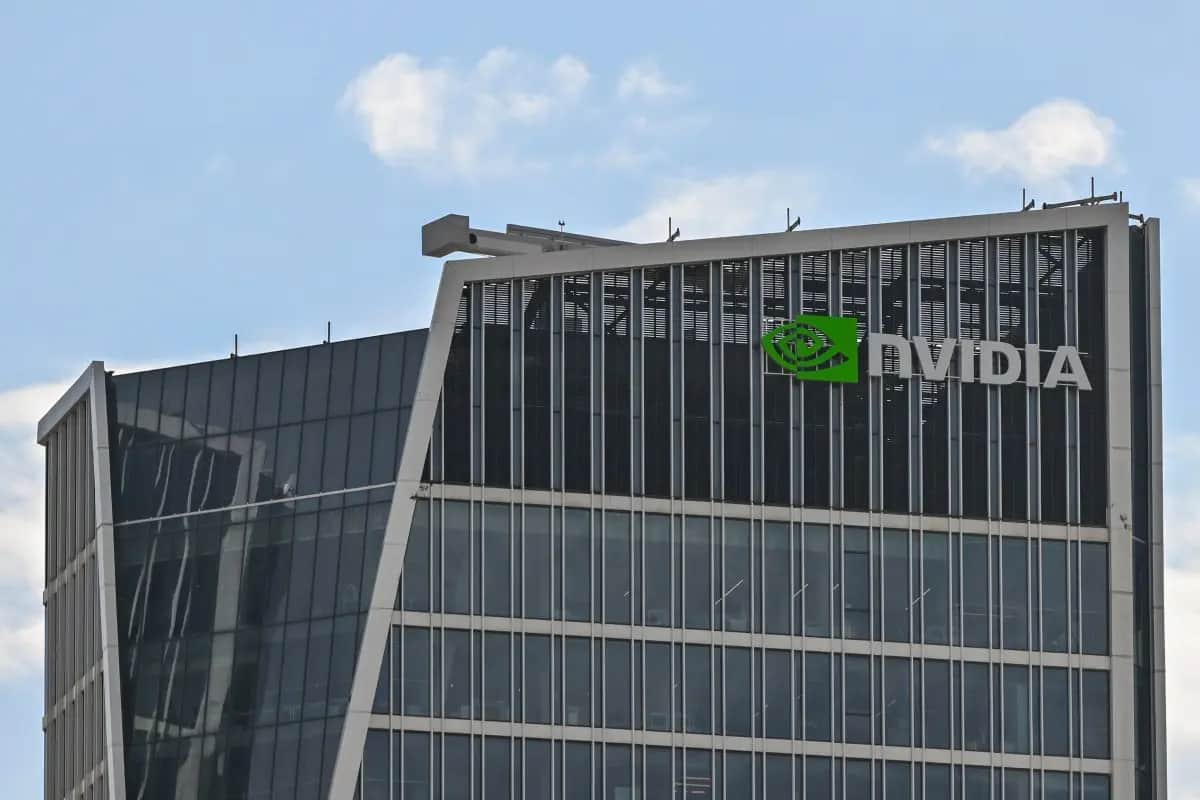
A change in Nvidia’s leadership has raised concerns in Israel’s tech community, where the company has a major research center and thousands of employees. At the same time, investors believe that a possible slowdown in decision-making at Nvidia could give competitors an opening, though a change at the top does not guarantee their success.
As TechCrunch reports, Nvidia has a special significance for Israel: Huang has called the country the company’s “second home.” In 2019, Nvidia acquired Israeli chipmaker Mellanox for 6,9 billion dollars and turned it into the base of its largest research center outside the US. The company also planned to build a multibillion-dollar campus in the north of the country.
Reported by techcrunch.com.
Nvidia employs 6 thousand people in Israel, TechCrunch notes. The country is now watching not only to see who will lead the company, but also whether it will remain engaged in local projects. Entrepreneur Pavel Gurvich told the publication that Israel’s tech community is favorably disposed toward Nvidia and Huang precisely because of the Mellanox acquisition.
The publication also recalls the role of current interim leader Colette Kress. In a 2023 interview, she said that, as Nvidia’s chief financial officer, she usually started her day with meetings about Israel before continuing her work in California. It is not known whether Kress will remain in the position for long. Names mentioned in connection with possible succession include Apple’s Johny Srouji and Nvidia’s Michael Kagan; according to TechCrunch, they are not among the leading contenders on the preliminary list.
For competitors, what matters is not only the leadership change, but also how it will affect Nvidia’s pace of work and overall spending on artificial intelligence. Yanay Oren, general partner at Vertex Ventures Israel, observed that slower decisions by the company could open up opportunities for rivals. However, if uncertainty around Nvidia also slows AI investment, competitors could gain a larger share of a market that itself would become smaller.
Under Huang’s leadership, Nvidia invested heavily in both outside companies and its own next-generation chips; according to TechCrunch, the company accounted for a large share of spending across the global AI industry. Investors interviewed by the publication do not expect demand for Nvidia products to disappear because of the leadership change. Adi Levanon, founder and managing partner of Selah Ventures, stressed that Huang’s departure does not destroy the company’s technology or ecosystem, though it could leave competitors more room to influence what happens next.
Opportunities for rivals are emerging as companies increasingly deploy AI agents in their workflows. TechCrunch reports interest and venture investment in developers of specialized AI chips and inference software—used to run requests on already-trained models—that could compete with Nvidia. Levanon said these companies will now have to show whether their approach offers better economics: a change in Nvidia’s leadership alone will not persuade customers to switch to them.