

Iranian Who Fled to the US Warns Universities About Foreign Funding and Radicalism
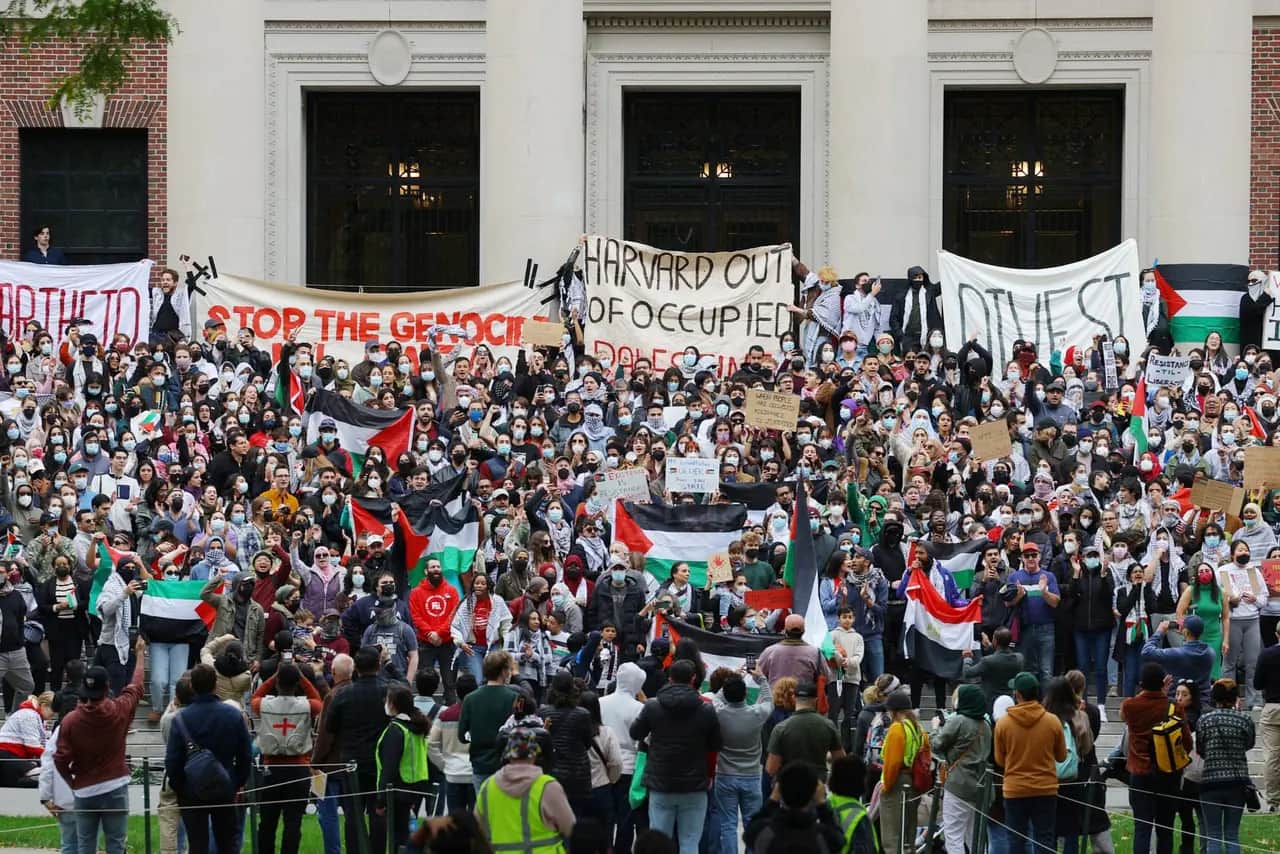
An Iranian immigrant and doctor warned in a Fox News opinion piece that university campuses can become environments for radicalization and called for closer scrutiny of foreign funding. He linked his conclusions to his experience of the Iranian Revolution and reactions on US campuses to Hamas’s October 7, 2023, attack.
The author writes that he was six years old when his family fled Iran through the desert as border guards fired at them. He arrived in the US without knowing English and later received a public education, became a doctor and built a career. He says this experience makes him take personally what American universities are shaping in their students.
Reported by foxnews.com.
The author’s warning is based on his view of the Iranian Revolution. He argues that it began not in mosques but on university campuses: students supported the revolution, hoping to influence its course, but did not foresee how the clergy would use it to radicalize the country. The author notes that Iran had world-class universities under the Shah and writes that they later drifted from their educational mission.
As examples from American campuses, the author cites events following Hamas’s October 7, 2023, attack on Israel. According to him, 34 Harvard student groups then placed responsibility for the violence on Israel, while a Cornell University professor called the attack “exhilarating” and “inspiring.” The author also mentions a protest by Columbia University’s chapter of Students for Justice in Palestine on the third anniversary of the attack: promotional materials called for “glory to the martyrs” and “resistance until victory.”
The opinion piece also discusses slogans on campuses. The author cites the words “Long live the global intifada” in a post by Columbia University Apartheid Divest and says that none of the universities he named considered expelling students. He uses these examples to support his call for a tougher response to glorification of terror. His account of events and conclusions are presented as the opinion piece author’s position.
According to US Department of Education data cited in the opinion piece, foreign sources directed $67.6 billion to American universities from 1986 onward. The author identifies Qatar as the largest source, with contributions totaling $7.7 billion. The article also notes that the country has hosted Hamas’s leadership since 2012.
The author cites a June JINSA report, which, according to his account, describes Qatar’s use of financial leverage to influence American campuses. Qatar presents its investments as support for academic education abroad; according to the opinion piece, the funding comes not from the country’s government but from the non-governmental Qatar Foundation. The author quotes the report as questioning the humanitarian nature of this support and saying that academic prestige is being used to advance political goals. This is an assessment in the report cited by the opinion piece.
The opinion piece also reports that investigations during Donald Trump’s first term prompted universities to disclose more than $6.5 billion in foreign funds that had not previously been reported. As an example of the scale of funding, the author cites Harvard: according to him, the university received $4.2 billion from abroad between 1986 and 2025.
The author proposes that universities reject money from countries that fund terrorist organizations and respond more forcefully to the glorification of terror. At the same time, he acknowledges private universities’ right to decide for themselves whether such speech is compatible with their campus culture. In his view, universities should focus on educating and preparing students rather than depending on foreign funds or tolerating radical views.
The opinion piece also quotes US Secretary of State Marco Rubio addressing international students with visas: according to Rubio, they were granted visas to study and earn a degree, not to engage in political activism. The author links this position to his broader call to change universities’ approaches to foreign funding and radical speech. This is the opinion piece author’s argument, not an independent editorial conclusion.