

CNN: Huang situation exposes AI companies’ risk of dependence on executives
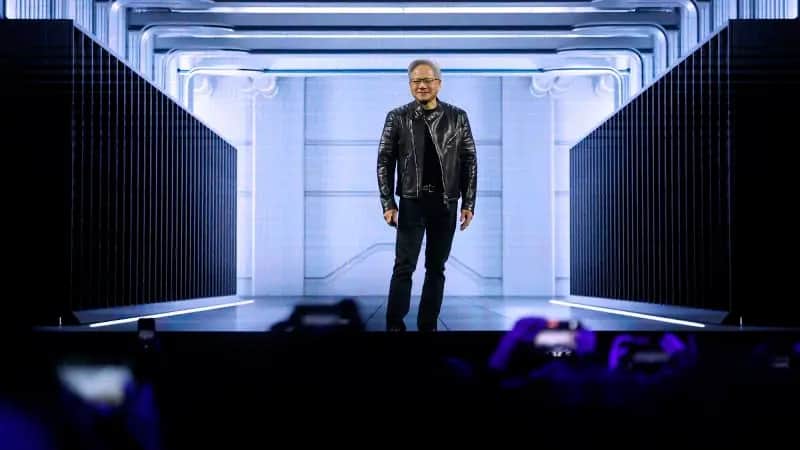
Nvidia’s investigation into reports of a foreign intelligence operation allegedly targeting its CEO, Jensen Huang, has drawn attention to how dependent major artificial intelligence companies are on their leaders. As CNN reports, Huang acknowledged an extramarital relationship and said he supports the investigation; suspicions about the transfer of data to China concern another person and remain allegations cited by the outlet.
In CNN’s assessment, Huang has become not only the face of Nvidia but also an important figure for the entire AI industry. The outlet writes that he played a central role in the company’s growth and its dealings with government officials and investors. For that reason, CNN says, the story involving the CEO has sharpened questions about what could happen to companies whose reputations, strategies and market expectations are closely tied to one person.
Reported by CNN.
Nvidia’s board of directors announced an investigation into claims that Huang was the target of a foreign intelligence operation. Huang acknowledged having an extramarital relationship and said his actions had hurt his wife and children. He said he takes responsibility for his actions and supports the company’s investigation. CNN clarifies that Huang did not name the other person involved in the relationship.
According to reports cited by CNN, US officials suspect that this person passed intelligence to China and helped smuggle advanced AI chips there. These are suspicions cited in CNN’s report, not an established outcome of the investigation in the article. The outlet links public attention to the case not only to the executive’s personal conduct but also to questions about how resilient Nvidia is if its key decisions and public image are associated with Huang.
This risk is not limited to Nvidia. CNN cites examples of other companies closely associated with their leaders: Tesla and SpaceX with Elon Musk, OpenAI with Sam Altman, Meta with Mark Zuckerberg, and Anthropic with Dario Amodei. Expert Dan Ives told the outlet that influence in the AI industry is concentrated in a very small circle of people. In his assessment, executives’ unique abilities can be an advantage, but they also create vulnerability.
Yale University professor Jeffrey Sonnenfeld told CNN that companies need a strong team of successors, even when their founders have substantial influence. He said Nvidia’s board investigation revealed a lack of an obvious talent pool capable of quickly replacing Huang. Sonnenfeld also said the company has no succession plan and cited Huang’s remarks about 60 direct reports.
CNN’s article also gives an example of a different model: JPMorgan Chase has experienced executives working under its longtime CEO, Jamie Dimon. By contrast, SpaceX warned investors in a filing that it is substantially dependent on Musk’s continued service and performance. The company said his departure or inability to continue working could disrupt its management structure, make it harder to carry out plans, and negatively affect its reputation and relationships with partners and customers.
In its own annual report, Nvidia also cited substantial dependence on its executive team. The company warned that failure to ensure effective succession planning could harm strategic planning, the execution of plans and long-term success. At the same time, CNN notes, the report does not directly assess how much Nvidia’s future depends specifically on Huang.
Sonnenfeld put Huang’s chances of remaining in his position at 50-50 and questioned whether he could run the company while responding to several investigations by the board and congressional committees. Among the possible options he named were giving Huang a symbolic role or bringing in an experienced former technology company executive, such as former Google CEO Eric Schmidt. These are the expert’s assessments and scenarios, not decisions announced by Nvidia.