

Georgia Tech student says his Reaper reached 491 miles per hour
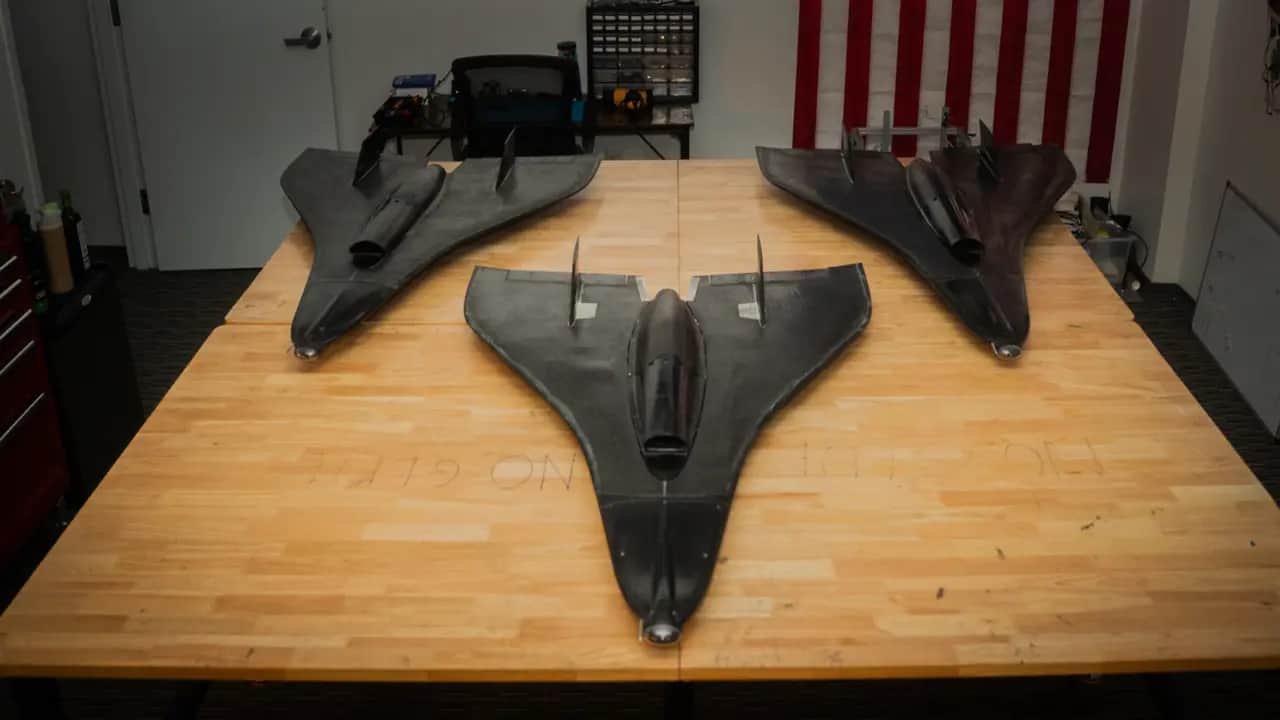
Georgia Tech aerospace engineering student Thomas Salvo said his custom-built Reaper jet-powered remote-controlled aircraft reached 491 miles per hour. According to TechRadar, the model carried a payload weighing 2.6 pounds during its fastest recorded flight.
If independently verified, the result would surpass the 465 miles per hour set in 2017 by German pilot Niels Herbrich flying the Inferno model. TechRadar presents the Reaper’s speed as Salvo’s claimed figure, not as a confirmed record.
Reported by techradar.com.
Salvo began working on the project in February 2025. According to TechRadar, he designed and assembled prototypes on his own while studying at Georgia Tech. The student spent approximately 13 thousand dollars of his own money on development.
The Reaper is equipped with a 250-newton-thrust turbojet engine, a custom air intake and a 3D-printed titanium nozzle. The outer fuselage sections are made from molded carbon fiber, while the internal components are laser-cut parts.
TechRadar reports that Salvo built three operational versions of the aircraft. He says each can sustain a speed of 491 miles per hour for four minutes with a full fuel load. The aircraft is launched from a rail or a truck-mounted launcher and, according to the publication, can climb to around 2000 meters in 20 seconds.
Salvo also claims that at its maximum speed, the aircraft can fly 50 kilometers. He describes the system as reliable and repeatable; TechRadar writes that repeated tests produced similar results. The developer plans to conduct more flights and refine the design, hoping eventually to exceed 500 miles per hour.
Salvo’s post caught the attention of Prescott Poulin, who handles industry engagement at the US Department of Defense’s Office of Research and Engineering. According to TechRadar, Poulin invited the student to visit the department.
TechRadar also mentions the Boom Supersonic contest, which offers a prize of 750 thousand dollars in cash and 50 thousand dollars in company stock. To qualify for the prize, a fixed-wing remote-controlled aircraft must exceed the speed of sound for at least five seconds, land safely and meet this requirement twice in one day using the same aircraft. Rocket-powered engines and disposable aircraft are excluded by the rules.
The contest allows turbojet, turbofan and ramjet engines, but excludes teams with corporate sponsorship or venture funding. The competition is open until 2030. Salvo, TechRadar writes, hopes to compete for the prize, but the claimed 491 miles per hour falls short of the supersonic requirement.