

Formula 1 drivers back possible return of V8 engines from 2030
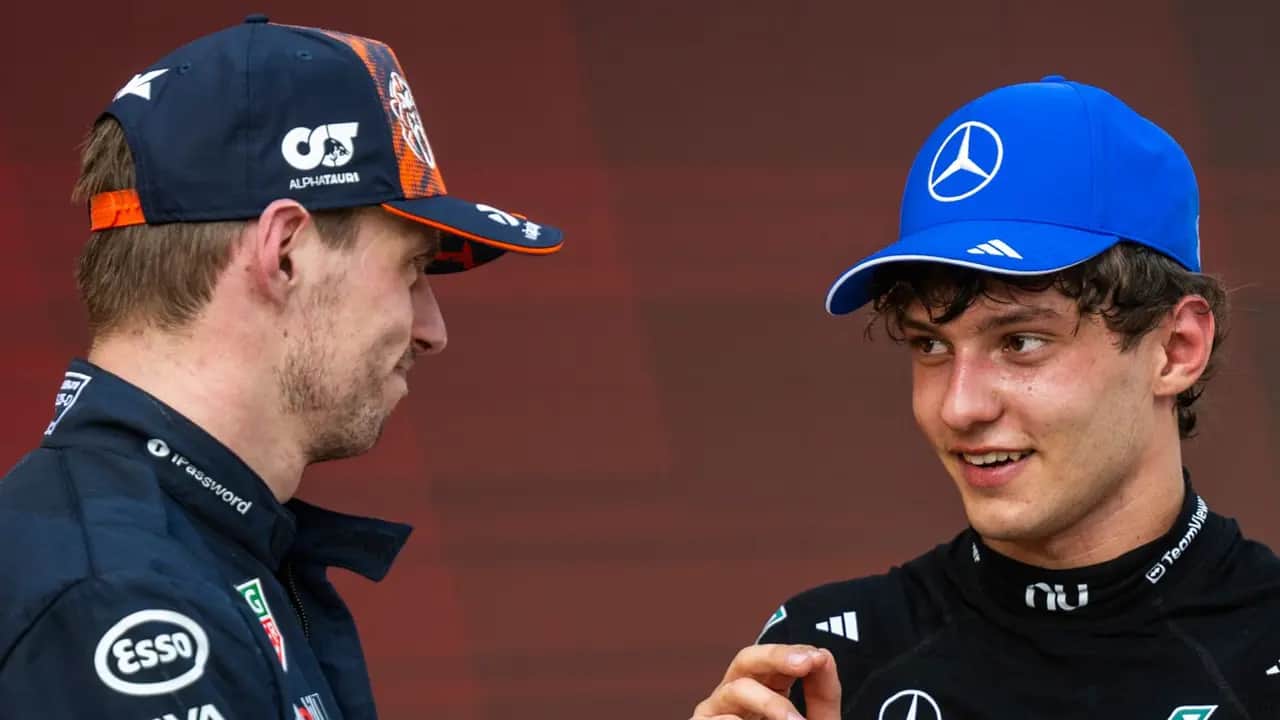
Formula 1 drivers have generally welcomed the prospect of V8 engines returning in the 2030s. According to Sky Sports, the FIA has hinted at a possible switch from 2030, but no final decision has been made and the power unit’s technical specifications still need to be agreed.
Earlier this week, FIA president Mohammed Ben Sulayem posted on social media hinting at a return to V8s. The federation later published a graphic indicating an agreement in principle on the move between the FIA, Formula 1 management and engine manufacturers. It was removed. Sky Sports notes that one possible reason was the current regulations, which run until 2031.
Reported by skysports.com.
The details of the future power unit have yet to be decided, including whether it will retain an electric component and turbocharging. So reports about a possible timeframe for the return of V8s do not yet mean that the new rules have been definitively agreed.
Mercedes driver George Russell said he would like to hear the sound of the old engines again. At the same time, he believes the power unit should retain a hybrid component: in his view, an internal combustion engine alone would not provide the required power. An electric component, Russell explained, could add 400–500 kW and bring the car’s total power to more than 1000 horsepower.
Russell also recalled that the cars from the last V8 era, which ended in 2013, sounded good but were not very fast. In his view, a return should take into account not only the sound but also the performance of modern cars.
Kimi Antonelli, the new world champion and Russell’s teammate at Mercedes, also backed a possible return to V8s. He suggested that cars could become about 70 kg lighter and called a change to the rules exciting. At the same time, Antonelli noted that the team first needs to perform well under the current regulations.
Max Verstappen has criticised the current power units, with the battery providing about 53% of their power, according to Sky Sports. In his view, the characteristics of these units at some tracks change driving styles and can prevent drivers from pushing to the limit. Verstappen believes the FIA has heard drivers’ concerns about the 2026 rules.
If the choice were his, Verstappen would get rid of turbocharging and reduce the battery’s role, but he acknowledged the trade-offs: without a turbo, fuel consumption would rise, meaning a larger tank or refuelling during races would be needed. A V10, he said, would sound even better, but that option is unrealistic. The driver called the prospect of V8s a step in the right direction, while noting that an agreement has yet to be finalised.
Among the drivers who competed in the previous V8 era are Lewis Hamilton, Fernando Alonso, Nico Hülkenberg, Sergio Perez and Valtteri Bottas. Alonso said it was unfortunate that Formula 1 has not used V8s since 2014. Hamilton, in turn, stressed that a return should depend on the engine design and the rules, not just on a desire to bring back the distinctive sound.