

Eurotunnel to test biometric checks with cameras in Folkestone and Calais
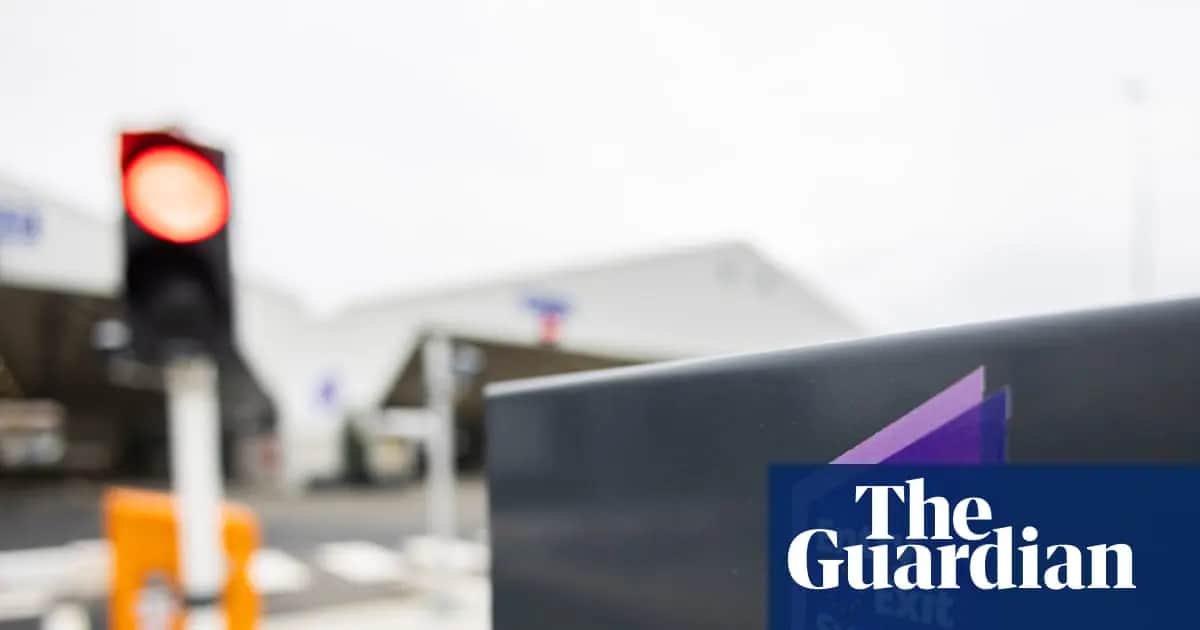
Eurotunnel operator Getlink plans to test a biometric control system in Folkestone and Calais, with cameras monitoring fingerprinting and facial photography. Passengers will be able to complete the procedure at kiosks without leaving their vehicles; the trial is set to run for two years.
According to The Guardian, 120 kiosks have already been installed at each of the two sites. A vehicle will be able to stop beside one, and two spaces next to the kiosk will allow documents to be checked and passengers’ biometric data to be collected. Cameras installed above the kiosks are intended to monitor the procedure; police officers will watch them, without needing to be physically present at each location.
Reported by The Guardian.
The system is intended to help organize the checks required by the European Entry/Exit System (EES). It requires citizens of non-EU countries, including holders of British passports, to provide fingerprints and a facial image when entering and leaving the Schengen area. However, The Guardian reports that the rollout of EES is delayed: nine of the 27 EU countries, including France, have yet to fully introduce the system because of technical problems.
For Eurotunnel, introducing these checks poses a logistical challenge: queues on the approach roads to the terminals could stretch a considerable distance. Getlink previously considered two options: giving passengers tablets so they could take their own fingerprints and photograph in the vehicle, or directing them to the terminal building. According to the publication, both arrangements would require police officers to be present during the initial fingerprinting.
Getlink CEO Yann Leriche told The Guardian that, after lengthy discussions, the European Commission and French authorities had agreed to trial cameras at each kiosk. The requirement for a police officer to be involved in the initial fingerprinting was a safeguard against impersonation. The cameras are now intended to provide oversight without an officer having to be continuously present at every checkpoint.
The trial is planned to last two years. Getlink hopes to make the system permanent if the experiment is successful. Leriche also said the company had drawn inspiration from examples on the US-Mexico border, where drivers and passengers remain in their vehicles.
However, a launch date has not yet been set. Leriche said the kiosks are already installed and can operate, but the connection to the French system is not yet working. In the coming weeks, he planned to present British and French authorities with a 40-page proposal envisaging the use of Eurotunnel as a test site for “smart border” technologies.