

Digital Games — A License, Access to Which May Depend on Servers
A digital library does not always mean permanent access to a game: the terms are set by the license, and some features depend on the publisher’s servers. Engadget explains this using NBA 2K25 as an example; after its servers are shut down, its MyCareer story mode is expected to disappear.
NBA 2K25 was removed from digital storefronts on October 30, 2026. According to Engadget, the game’s servers are scheduled to shut down on December 31 of the same year. Those who have already purchased it will be able to download the game again and use the available offline modes, but MyCareer, which checks for a server connection, will stop working. MyTeam will also shut down; the Play Now, MyNBA, The W and MyWNBA modes, according to the article, will remain available.
Reported by engadget.com.
Removal from sale and the shutdown of servers are different things. As Engadget explains, when a publisher removes a game from a digital storefront, existing owners generally keep it in their library and can download it again. But online infrastructure may be required even for single-player modes: if a game needs to contact servers, the relevant feature disappears when they shut down. Meanwhile, new buyers will no longer find a digital copy and may have to look for a physical edition, if one is available.
In the worst-case scenario, a game may disappear from a library, too. Engadget cites Ubisoft’s racing game The Crew, which required a constant connection to servers. After they were shut down in March 2024, Ubisoft reportedly began moving the game to the inactive section of Ubisoft Connect, according to players. It could no longer be downloaded from there. This shows that digital access and the ability to download a game again depend on more than whether it was paid for at some point.
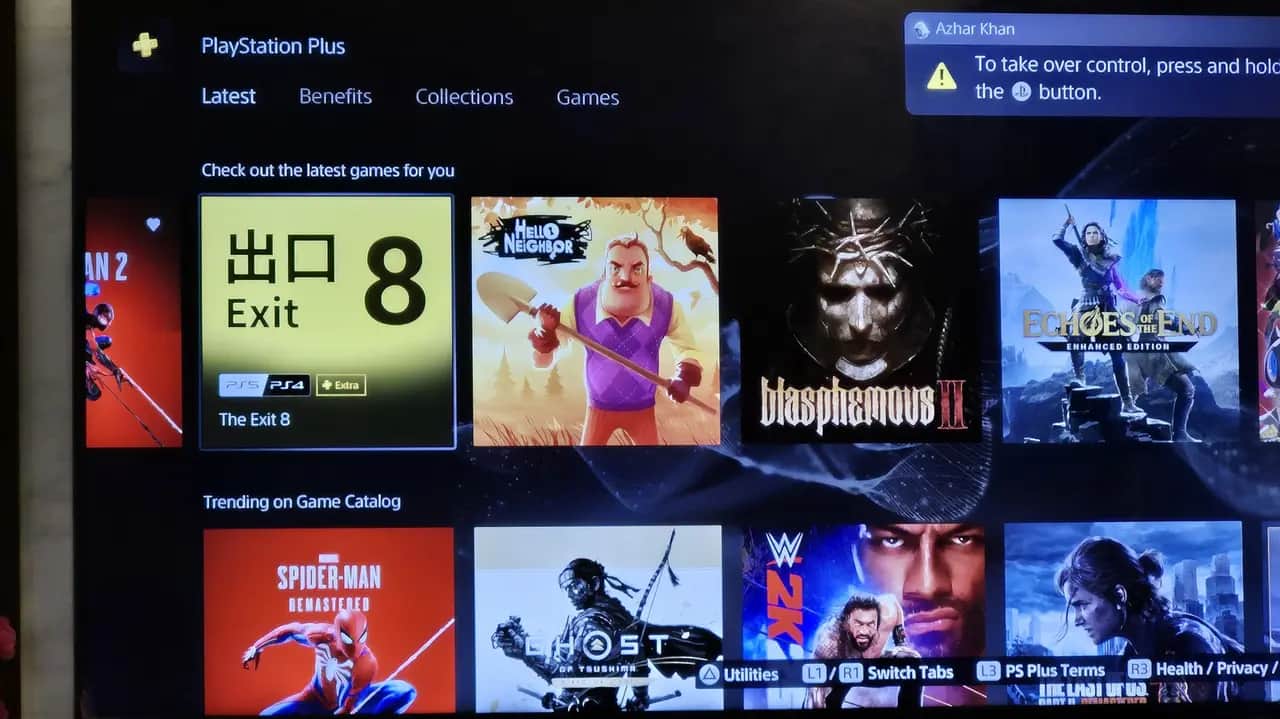
Even a platform notice about checking a license can cause concern. In April, PlayStation owners noticed a 30-day timer on new digital purchases and speculated that the console would regularly check their right to launch a game. Sony told Game File that this was a one-time license check. At the same time, Engadget notes, Sony’s license agreement explicitly defines software as licensed, not sold to the user.
Physical media is not always a guarantee of access either. Sony announced that it would stop producing PlayStation games on discs starting in January 2028. The announcement concerns new releases: the decision does not affect games previously released on disc. However, the announcement cited did not explain whether new digital games would be sold in regular stores as codes in boxes or on cards.
As an example of this format, Engadget mentions the boxed edition of Grand Theft Auto VI: instead of a disc, it will contain a download code. The edition is due to go on sale ahead of the launch scheduled for November 19, but the year is not specified in the cited passage. Once the code has been redeemed, the box will no longer contain a copy of the game that can be lent or resold. A disc on its own also does not ensure the game will keep working: physical copies of The Crew stopped launching along with digital ones because the game required a connection to Ubisoft’s servers.
Platform dependence also occurs in other formats. Some games for Nintendo Switch 2 are sold on game-key cards that do not contain the full game: it has to be downloaded, and the console must check access online the first time it is launched. The card must remain inserted to play. GOG, by contrast, said buyers would be able to download offline installers for purchased games and keep them without the store’s permission to launch them. This lets users retain a copy of the installer independently of whether the store continues operating.
Legal protections have not yet removed this dependence. California’s AB 2426 has been in effect since January 2025: digital stores cannot offer a game using the words “buy” or “purchase” without disclosing that it is a license, not a copy the user owns. However, the law does not prevent publishers from shutting down servers. In June, a proposed class-action lawsuit was filed against Sony, alleging that purchase buttons in the PlayStation Store do not meet disclosure requirements; Sony asked for the case to be sent to arbitration or dismissed.
In the United States, Congressman Ritchie Torres announced in October that he intended to introduce a bill to protect video game ownership. As Engadget describes it, the bill would provide for rules by the US Federal Trade Commission: purchased games would have to be considered the user’s property, and publishers would have to provide an offline mode before shutting down servers. This is only an announced plan for a legislative initiative, not a rule in force.
In Europe, the Stop Killing Games campaign collected more than 1.29 million valid signatures for a citizens’ initiative. However, in June the European Commission declined to propose a new law and instead pledged to discuss a voluntary code of conduct with publishers and consumer groups. Engadget concludes that as the industry shifts to a digital model, more new games will reach buyers as licenses, and information about the terms at the time of purchase does not, by itself, guarantee that a game will remain accessible in the future.