

After the election, Democrats prepare probes into Musk’s businesses and put pressure on his companies
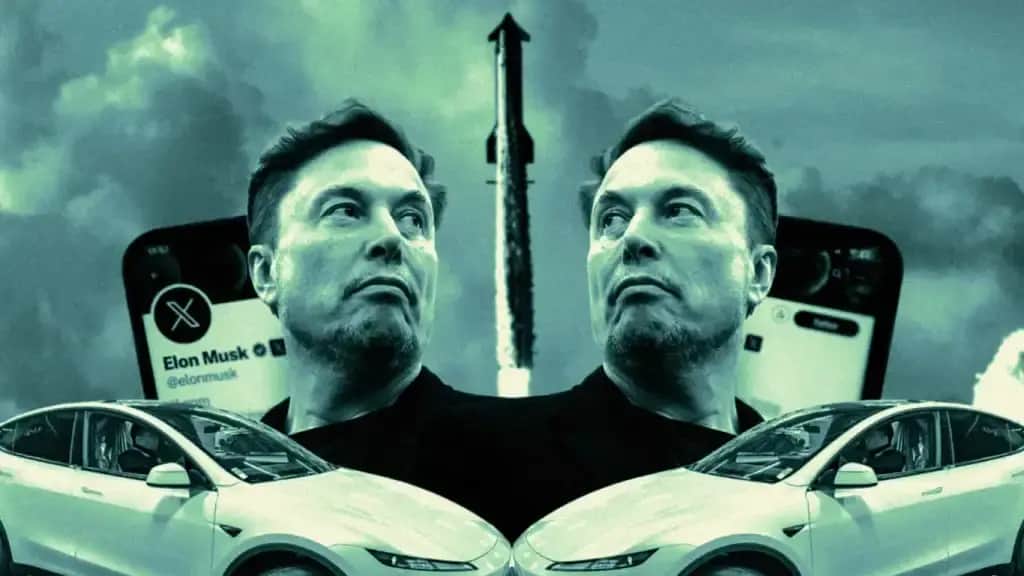
After the election, Elon Musk’s businesses faced political and market risks — from possible congressional investigations to regulatory restrictions in Texas and new rules for artificial intelligence. Axios reports this; the threats described in the article mostly concern plans and possible consequences, not decisions that have already been made.
Political pressure extends to Musk’s companies in rocket manufacturing, electric vehicles, robotics and AI. Democrats see him as embodying several problems with the MAGA movement: excessive influence of wealthy people over government, cuts to federal agencies, harmful content on social media and insufficient oversight of artificial intelligence development.
Reported by Mezha.
Musk’s election spending has also come under scrutiny. According to Wired, he spent at least 475 million dollars on the midterm elections and was the campaign’s largest individual donor. More than 99% of his spending that could be tracked went to support candidates who lost. One of the most notable setbacks came in Texas: Musk invested 160 million dollars in Ken Paxton’s campaign, but Democrats won the elections for the Senate, governor and state attorney general.
At the same time, the Democrats’ victory does not rule out cooperation with the entrepreneur. Senator-elect James Talarico called Musk a successful entrepreneur and said he was willing to work with him on technology and innovation. Musk had previously said that Talarico did not like Texas, but later responded positively to his remarks.
Now able to subpoena witnesses and demand documents, Democrats plan to investigate the Department of Government Efficiency. They are particularly interested in the department’s employees’ access to confidential government data and whether Musk’s companies may have benefited from his influence on Donald Trump’s administration. These are stated areas of future investigations, not established violations.
Musk is trying to downplay his companies’ dependence on government contracts. He said government contracts would account for less than 5% of SpaceX’s annual revenue and said he was ready to give up any contracts the government did not want to renew. Separately, lawmakers are demanding explanations about reports of Musk’s contacts with Vladimir Putin and his role in the October slowdown of Starshield, which reportedly disrupted the work of Ukrainian drones. Axios notes that the information provided does not establish all the circumstances of these episodes.
Texas could become a more challenging environment for Musk’s companies. He moved his residence and the headquarters of Tesla, SpaceX and X to the state, expecting favorable conditions. Now, the state’s shift to Democratic control could increase regulatory pressure. Governor-elect Gina Hinojosa filed a lawsuit seeking access to 1374 pages of correspondence with Greg Abbott, much of which is classified. Attorney General-elect Nathan Johnson pledged to review state broadband development grants awarded to Starlink.
Potential changes could also affect Tesla robotaxis. Democrats oppose a federal bill that would weaken state restrictions on safety. Last year, Hinojosa called for the launch of robotaxis in Austin to be postponed until stricter rules take effect. This could create obstacles for the company’s plans, but the article does not say the launch has already been canceled or delayed.
The market impact of the election is not yet clear-cut. Over two days, the combined market value of Tesla and SpaceX fell by about 460 billion dollars, and shares recovered on Friday as investors assessed the possible impact on Musk’s businesses. Wall Street is also concerned that investigations by Democrats could complicate a potential merger of Tesla and SpaceX. Restrictions on building AI data centers are cited as another risk to growth plans.
At the end of a difficult week, Musk said Tesla would gradually end Cybertruck production by mid-2027. According to the Axios article, the project has faced weak sales, vehicle recalls and quality problems. This is a separate announcement about the future of production amid broader pressure on Musk’s companies.
After the election, opposition to AI development gained additional political support. Democrats are preparing legislative initiatives that could require independent testing of advanced models and hold developers responsible for harmful results from their work. Lawmakers have already requested AI safety documents from SpaceX. Meanwhile, voters opposed the construction of new data centers in 44 of 45 local referendums, and Democratic governors-elect in Georgia and Ohio pledged to tighten restrictions.
Axios notes that Democrats will have to find a way to separate Musk’s political activity from his industrial companies. Tesla and SpaceX are important to the United States’ technological and defense capabilities, so pressure on their owner could affect more than his personal interests. The legislative initiatives, investigations and regulatory risks described do not mean they will all be implemented.