

Brazil’s Senate approves package capping spending growth at 2%
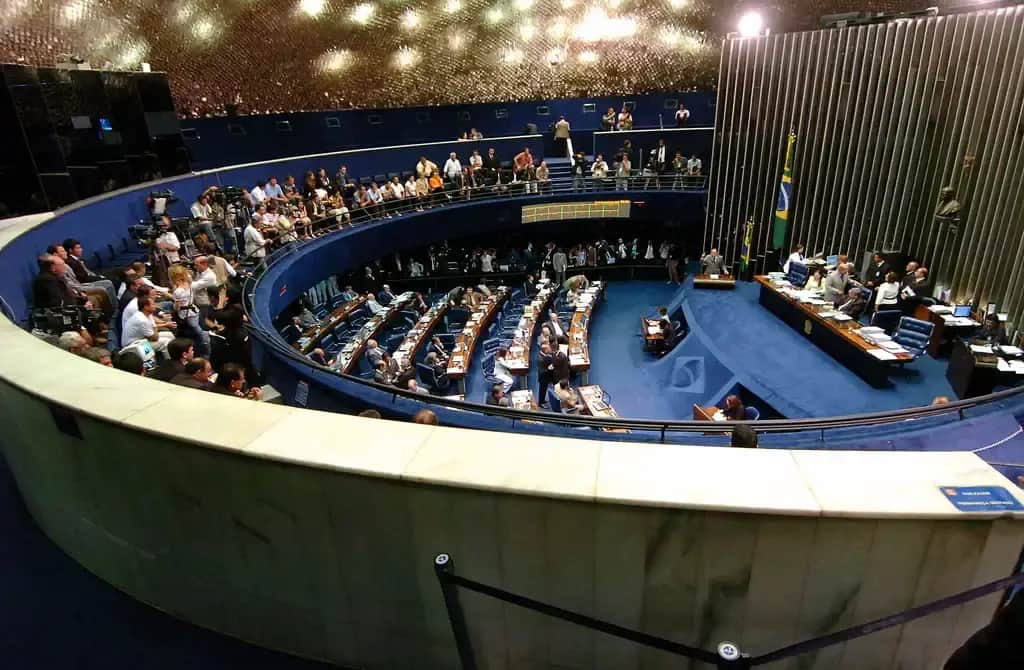
Brazil’s Senate backed a fiscal package intended to help the government meet its budget targets and improve public finances. The bill will now be considered by the lower house of Congress, but investors doubt the proposed measures will be enough to address the country’s debt problem.
The package combines spending limits with measures to increase budget revenues. In 2027, they are expected to improve public finances by up to 60 billion reais. President Luiz Inácio Lula da Silva supports the bill. Reuters reported the news, in a report published by Mezha.
Reported by Mezha.
The bill allows the government to freeze additional budget spending if needed to meet fiscal targets. Real spending growth is capped at 2% a year, below the 2.5% limit set by the current fiscal framework. The bill also proposes cutting tax breaks and limiting the use of tax credits to increase budget revenues.
Lula’s economic team considers the package important for achieving a primary surplus of 0.5% of gross domestic product next year. At the same time, the government wants to preserve its ability to deliver on campaign promises, including expanding social assistance and student support.
After the vote, Finance Minister Dario Durigan promised additional measures to strengthen public finances. He also said the government would not change its 3% inflation target or introduce capital controls. The promise came amid market concerns about the country’s financial position.
Despite the vote, markets remained negative: on Wednesday, long-term bond yields rose and shares fell. Investors are unsure whether Lula is ready for deeper spending reforms. On the same day, the real lost 1.5% against the dollar; since Lula’s election victory, the currency has fallen by about 15%. Reuters also cites expectations of higher interest rates in the United States among the factors weighing on markets.
Economists welcomed the proposal as a step in the right direction but said it does not address the main fiscal problem: rising mandatory spending. According to Reuters, only 8% of the budget will remain under discretionary control next year. Many economists believe deeper reforms are needed to stabilize Brazil’s public debt. During Lula’s current term, debt has risen by more than 11 percentage points to 82.9% of GDP.
Senate approval of the package came after a delay: the government failed to secure enough support for a vote on Tuesday. The authorities also dropped a plan to retain a larger share of transfers that states are due to receive in the coming years. Analysts cited by Reuters said the concession did not alter the bill’s main purpose. The vote also highlighted the difficulties facing the government ahead of the inauguration of a new, even more conservative Congress.
The package’s impact on debt remains a matter of debate. BTG Pactual economist Thiago Beriel, a former central bank director, wrote in a note that the bill would improve the primary balance in 2027 by about 0.2 percentage points of GDP but would barely change the country’s debt trajectory. According to the bank’s estimates, without the package gross public debt would reach 121% of GDP by 2034, compared with 118% with it. The bank believes debt would stabilize by 2030 if annual spending growth were capped at 1%.