

Bong Joon Ho Explains How the 4K Version of “The Host” Was Restored
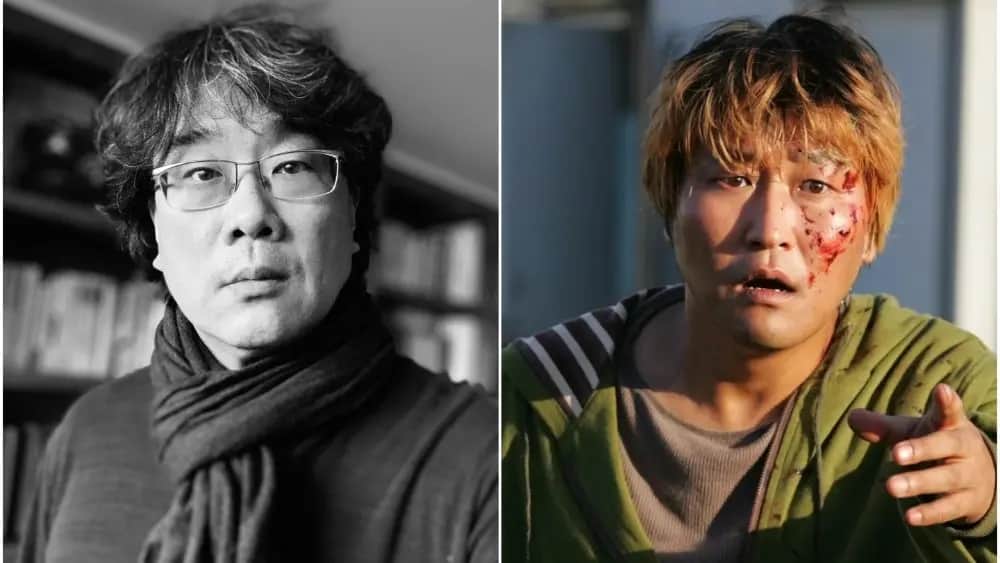
For the 20th anniversary of “The Host,” Bong Joon Ho prepared a 4K restoration of the film, aiming to bring back the look of a fresh 35mm print. In an interview with Variety, the director discussed work on the color and sound, his decision not to fix the film’s flaws, and its renewed relevance.
According to Variety, Magnolia Pictures plans to bring the restored film back to theaters nationwide on November 20. Bong Joon Ho is scheduled to speak with director Edgar Wright at screenings on November 21 and 23. The release marks the 20th anniversary of the film, which came out in 2006.
Reported by Variety.
“The Host” tells the story of a monster that crawls out of the Han River in Seoul, charges through a crowd, and abducts the protagonist’s daughter. The authorities declare the creature a carrier of an unknown virus, and the father tries to get into the restricted area by the river to bring his child back. Bong said he wrote the film with the SARS outbreak in mind.
The satirical idea is tied to misinformation surrounding the Iraq War. In the film, American lawmakers acknowledge that the virus supposedly spreading in Korea did not exist; Bong explained the scene as a comment on justifying the war with claims about weapons of mass destruction that ultimately were not found. Since then, the world has experienced the coronavirus pandemic, and now, the director said, it is repeating the mistakes of the past. For that reason, he believes the story feels relevant again.
The restoration aims to recreate the impression of a fresh 35mm print, like the one used to screen “The Host” at its premiere in Cannes in 2006. The film was shot on Fuji film, and Bong wanted to bring back the subtle color tones he worked on with cinematographer Kim Hyung-ku. The director noted that digital technology was used to enhance the film’s analog look.
The team also worked separately on the visual effects shots: they were created in 2005–2006, before 4K existed, so they had to be upscaled during the restoration. Bong said it was important that the monster continue to look convincing alongside the actors and in its surroundings. The director is pleased with the result, though he still notices minor CGI flaws and moments he is somewhat dissatisfied with.
Despite the flaws he noticed, Bong did not want to make changes to the film. He sees it as a record of who he was as a director at the time of filming, and compares this to not wanting to rewrite a diary. The director admitted that he wanted to cut one or two scenes, but held back. Bong did not reveal which scenes he had in mind.
Bong worked on the film’s sound at Seoul’s Livetone studio, where, he said, he has collaborated with the same sound engineer for 25 years. The studio holds the original “The Host” sound library. The monster’s voice received the most attention during the sound design: the team recorded and processed sea lion sounds, then layered actor Oh Dal-su’s vocal performance over them.
Bong said “The Host” could be updated to Dolby Atmos, but he still has to confirm which format will be used for the North American release. The director sees little point in remastering his later works: according to him, everything after “Okja” was shot in 4K and finished with Atmos sound. At the same time, he created black-and-white versions of “Mother” and “Parasite,” which screened in theaters and at festivals.