

Male doctors in Afghanistan restricted from treating women, media report
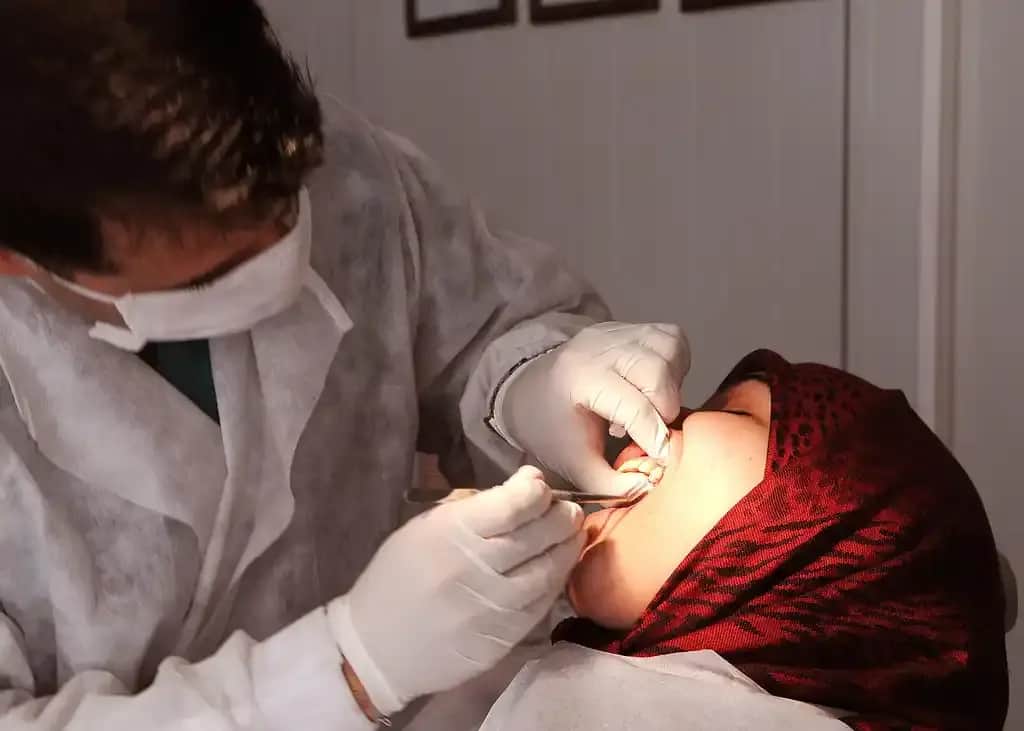
The Taliban have effectively restricted women’s access to male doctors across Afghanistan, although no public nationwide ban has been announced. The Guardian and Zan Times report this; separately, women have been barred from medical institutes that trained, among others, nurses and midwives.
According to accounts from patients and medical workers gathered by journalists, dental restrictions have spread across the country. Dentists described raids by Taliban security forces and threats of imprisonment if women patients were found in clinics. The reports concern an effective ban, rather than a publicly announced nationwide decision.
Reported by Mezha.
One of the people who spoke to the journalists was a 37-year-old resident of Herat identified as Farida, who went to a dentist because of severe toothache. The clinic drew up a treatment plan and demanded full payment in advance. During her third visit, when implants were due to be placed, she was sent home.
The clinic later explained that male dentists had been ordered to stop treating women. Farida said that three months later her treatment was still incomplete, and she could not eat or drink normally. Her case illustrates the consequences of the restrictions for patients who have already begun treatment.
The restrictions extend beyond dentistry. According to The Guardian, in most provinces male doctors were told not to examine women or to provide care only under certain conditions—for example, when a male relative, or mahram, is present, or when a nurse performs certain procedures. A surgeon at a state hospital in northern Afghanistan, who has worked there for 15 years, told journalists that doctors are forbidden from directly examining female patients, regardless of the complexity of the procedure or the critical nature of their condition.
In Balkh province, according to reports cited in the article, hospitals and private clinics were ordered in May not to use patients’ real names, but to call them “Bibi.” The requirement was also extended to medical prescriptions. Another person interviewed described an elderly relative who had to travel from Kunar province to Kandahar, where her son ran a dental clinic. She said the patient’s husband considered seeking treatment from a local male dentist a disgrace to the family.
Restrictions on treatment are coupled with a ban on women studying at medical institutions. As Mezha’s account of a 2025 WHO report states, on December 2, 2024, the Taliban announced the closure of public and private medical institutes to Afghan women, including programs training nurses and midwives. This continued earlier restrictions: women had been unable to access university education since December 2022, while medical institutes had remained one of the few ways to study after school.
On December 5, 2024, the Office of the UN High Commissioner for Human Rights called for the ban on medical education to be lifted and warned that it would worsen the shortage of midwives, nurses and female doctors. The office also noted that women’s access to male doctors was already restricted by the requirement that a relative be present.
Doctors interviewed by The Guardian also reported a ban on hiring female staff at their hospitals. Female doctors who continue to work must themselves be accompanied by a mahram. One patient said that even with her father, she waited until another woman arrived at the clinic with an escort: there was no female staff, and the doctor was not allowed to touch the patient.